

-
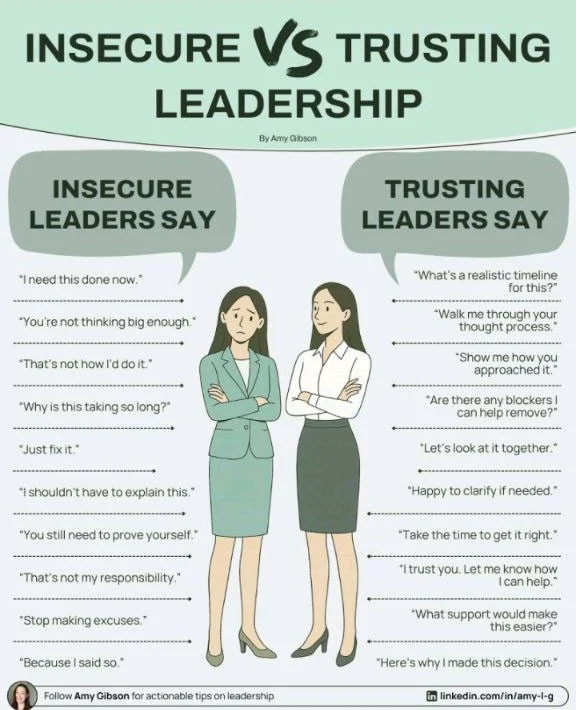
Communication is important in Leadership.
Its how you build;
✔Trust
✔Clarity
✔Culture![]() 4 Comments
4 Comments -
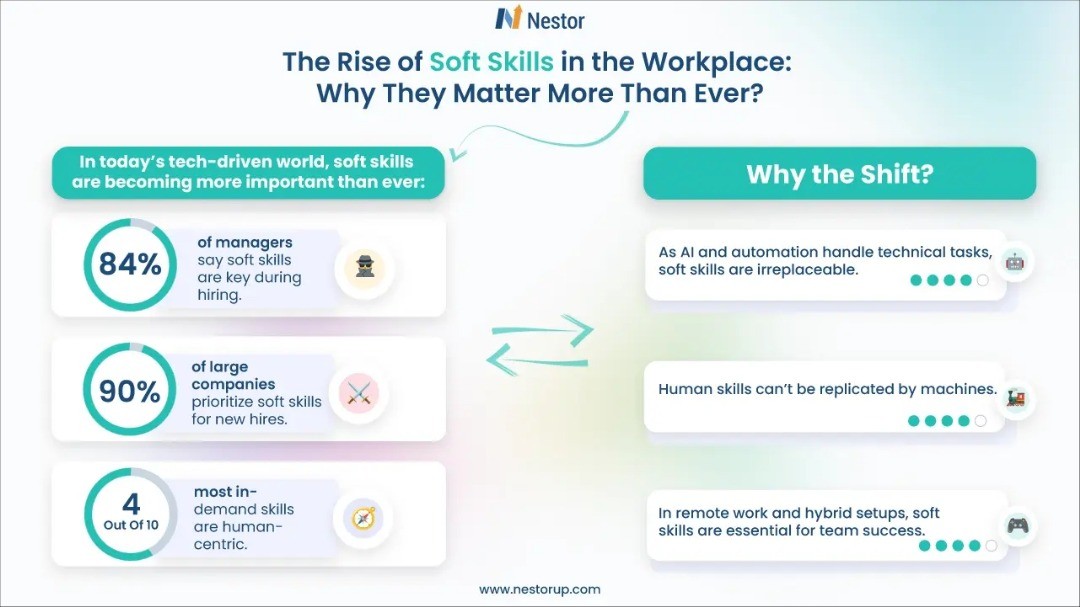
The rising need for irreplaceable soft human skills like communication, empathy, adaptability, and critical thinking stems from increasing automation and AI integration in workplaces. These skills are essential because they enable collaboration, problem-solving, and emotional intelligence, which machines cannot replicate.
![]() 5 Comments
5 Comments -
“Safety first” is a principle that emphasizes prioritizing the well-being of people before any task or goal. It promotes a culture of caution, responsibility, and prevention to reduce accidents and injuries.
6 Comments -
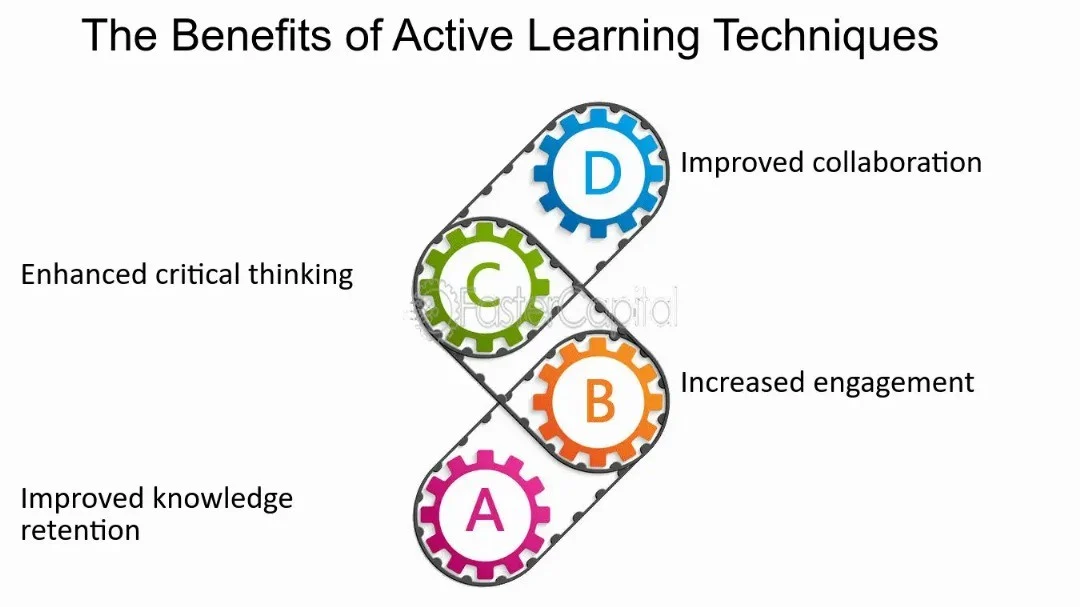
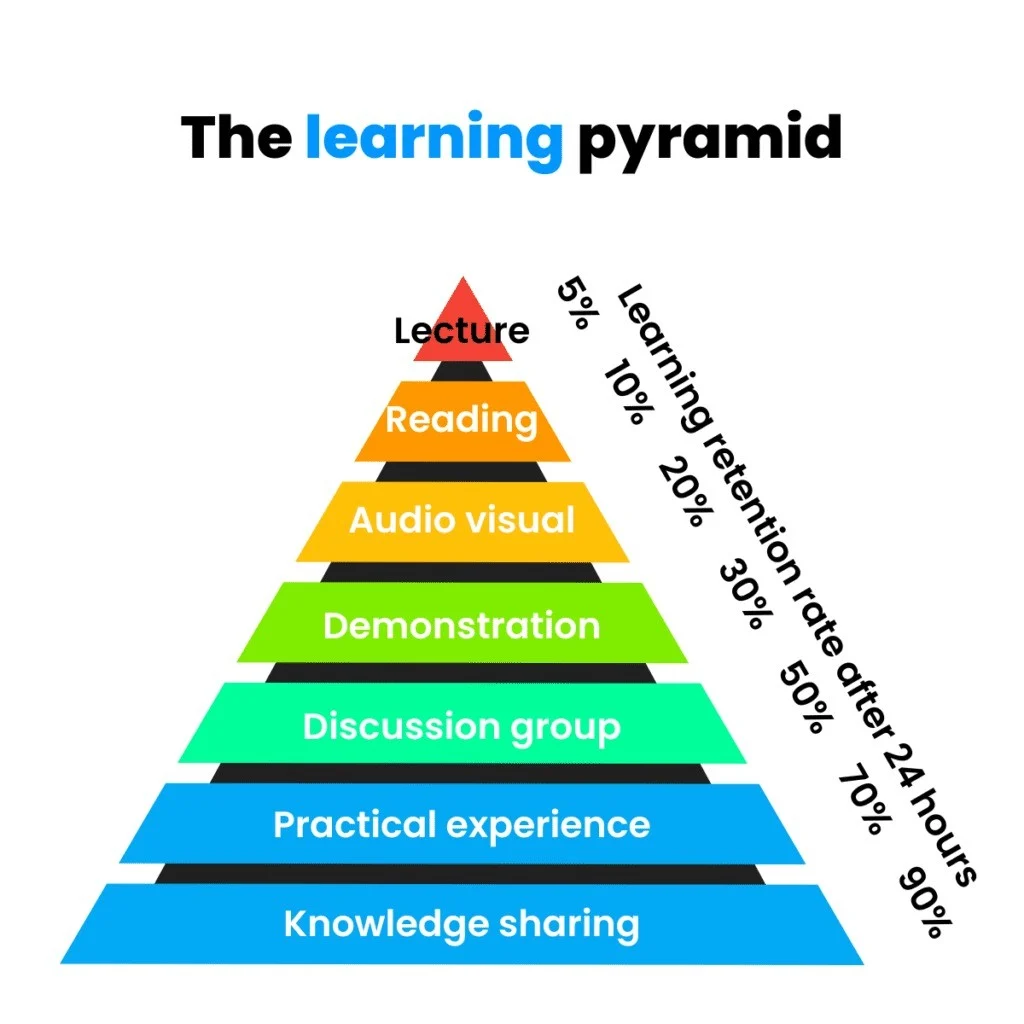
The learning pyramid illustrates how different study methods impact knowledge retention, with active methods like teaching others and hands-on practice leading to higher retention rates. It emphasizes that learners remember more through active participation than passive listening or reading.
![]() 5 Comments
5 Comments -
-
![Profile picture of Felicia Akosua Dankwaa Awuah]() Thanks for sharing. Very insightful
Thanks for sharing. Very insightful
-
-
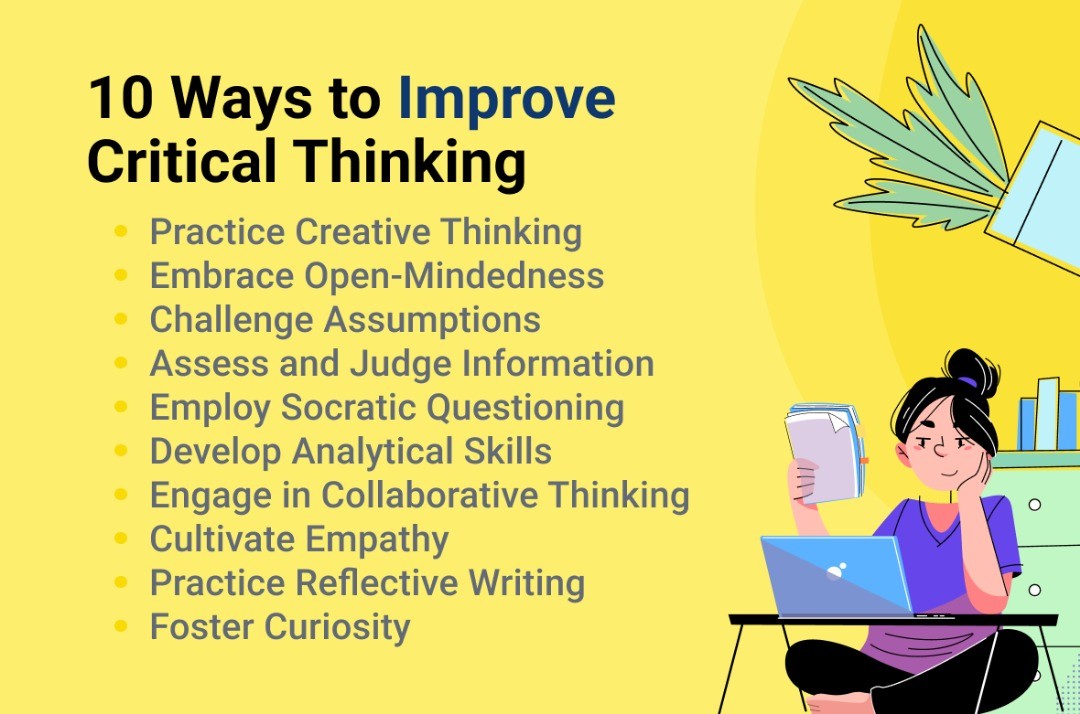
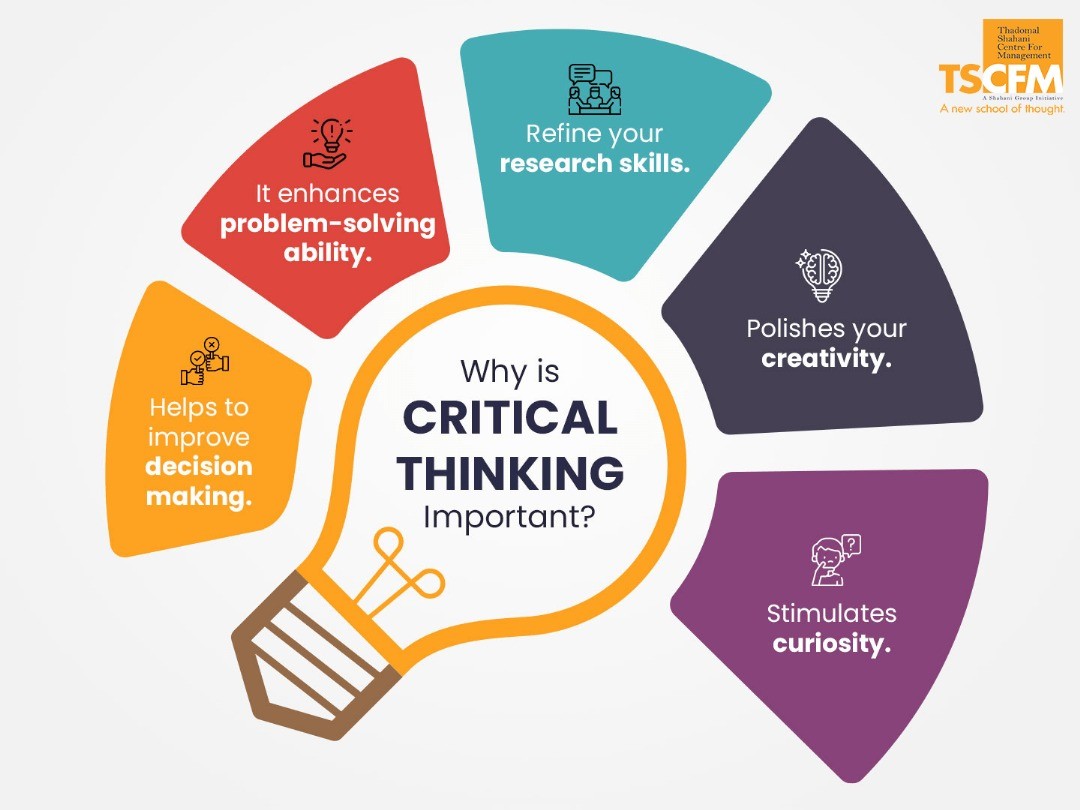
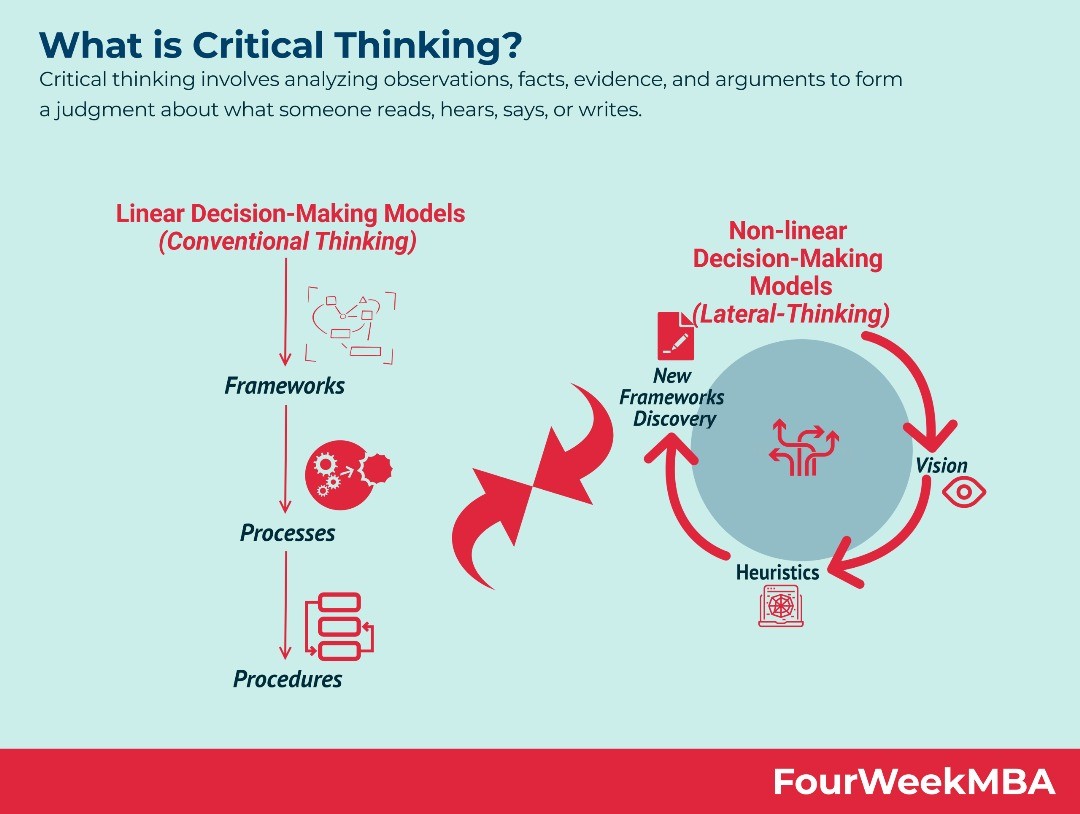
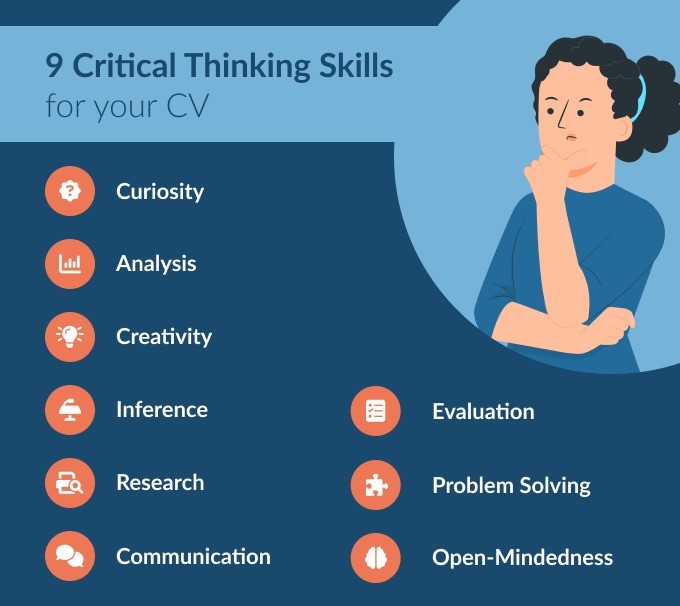
Critical thinking is the ability to analyze information objectively and make reasoned judgments. It involves evaluating evidence, identifying biases, and solving problems effectively.
![]() 4 Comments
4 Comments -
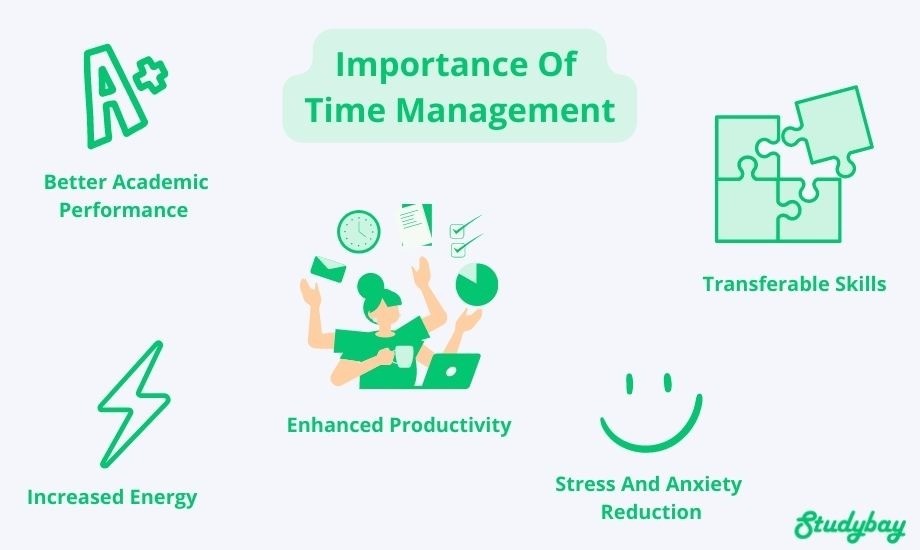
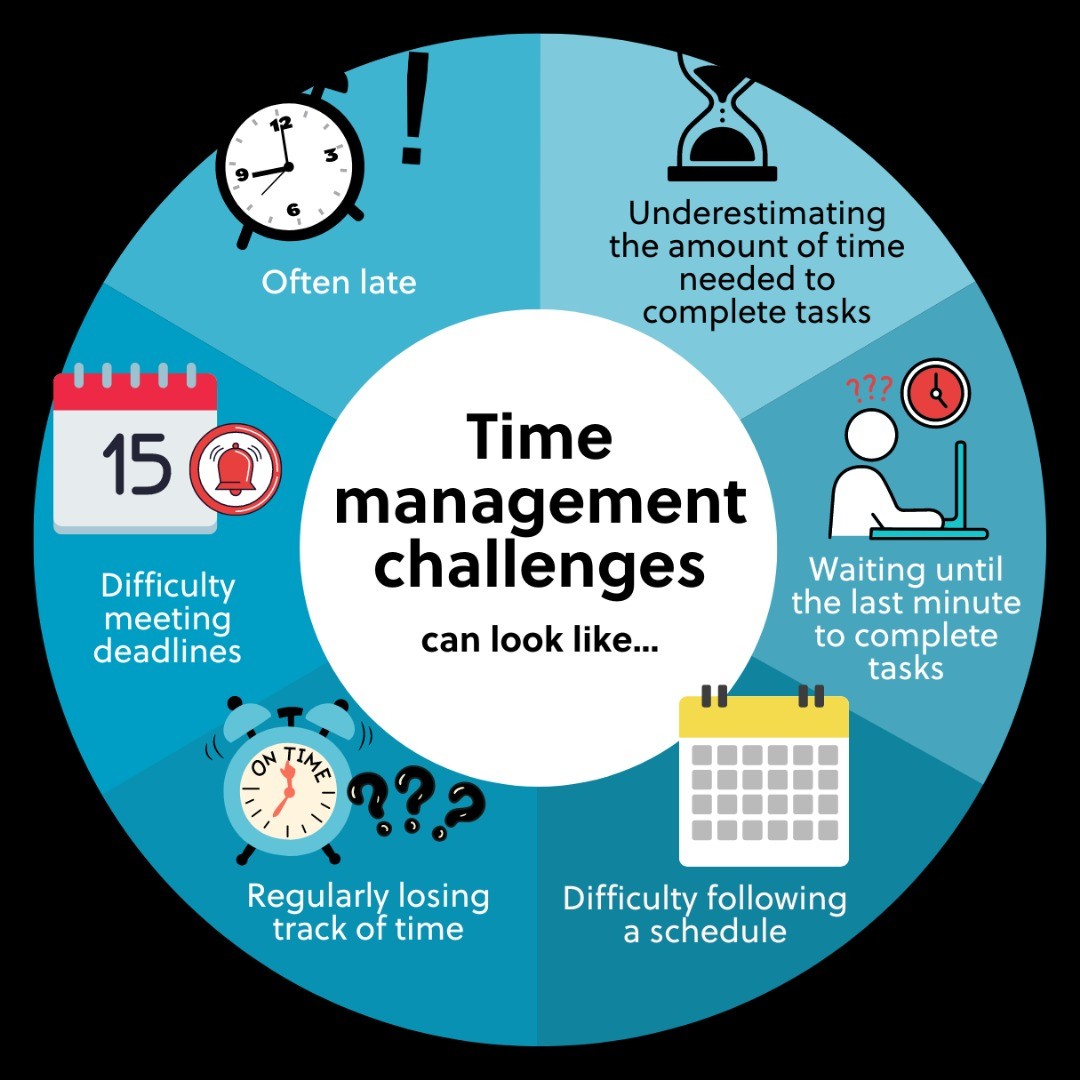
Time management is important because it helps increase productivity, reduce stress, and ensure deadlines are met efficiently. It allows individuals to make the best use of their time, leading to better work-life balance and goal achievement.
![]() 5 Comments
5 Comments -
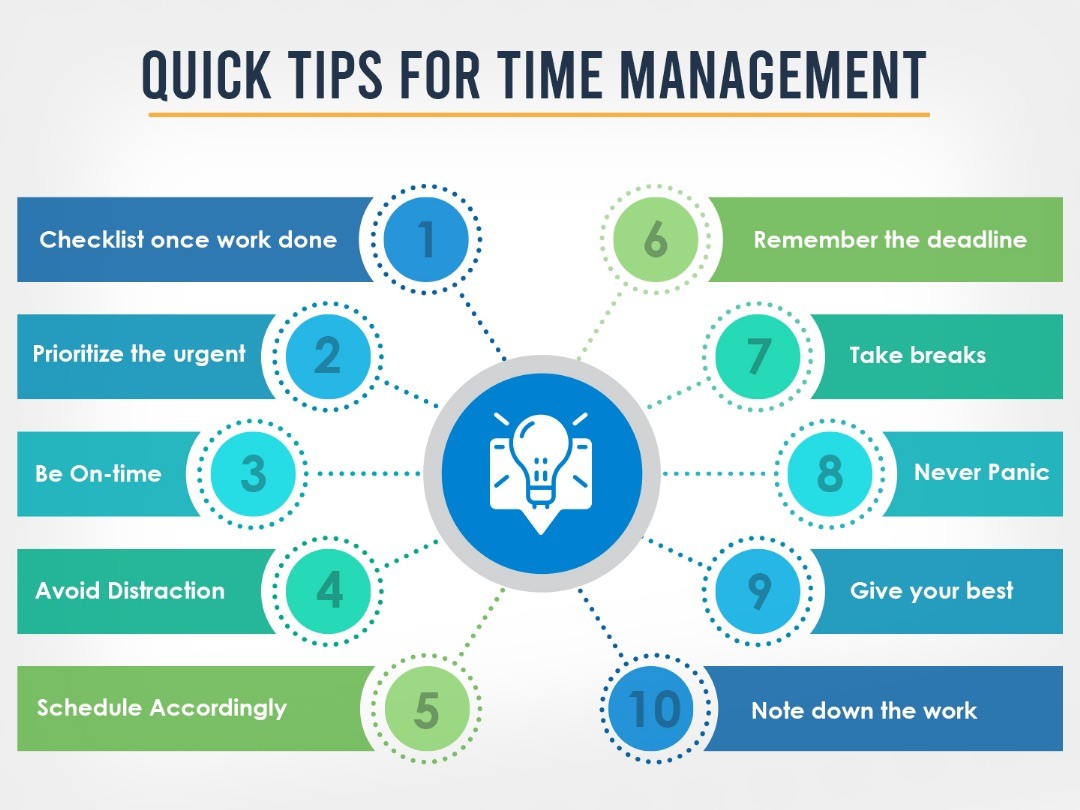
Effective time management involves setting clear priorities, breaking tasks into manageable steps, and avoiding procrastination. Using tools like to-do lists or calendars can help stay organized and focused throughout the day.
![]() 4 Comments
4 Comments -
-
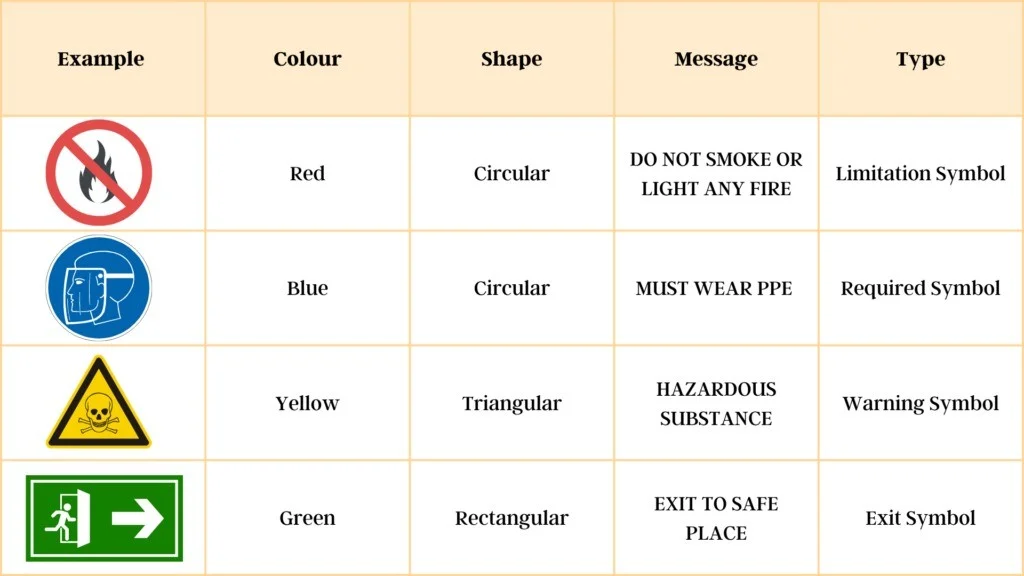
Safety signage uses symbols and colors to communicate important warnings, instructions, or information in the workplace or public areas. It helps prevent accidents by guiding people to act safely and stay aware of hazards.
![]() 2 Comments
2 Comments -
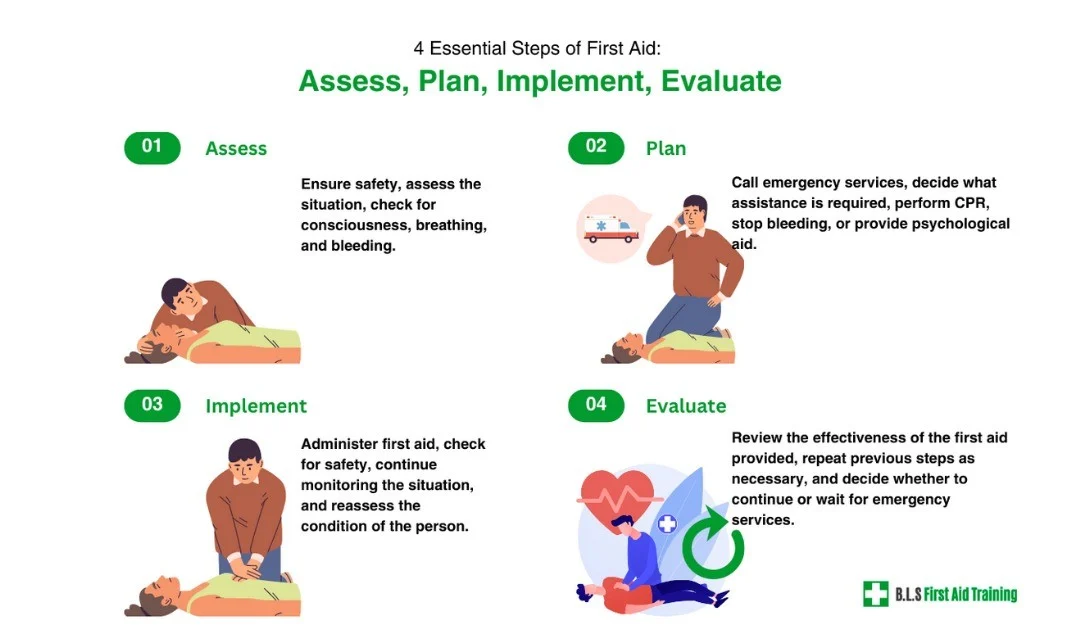
First aid is the immediate care given to someone who is injured or suddenly ill before professional medical help arrives. It helps stabilize the person’s condition, prevent the situation from worsening, and can save lives.
![]()
-
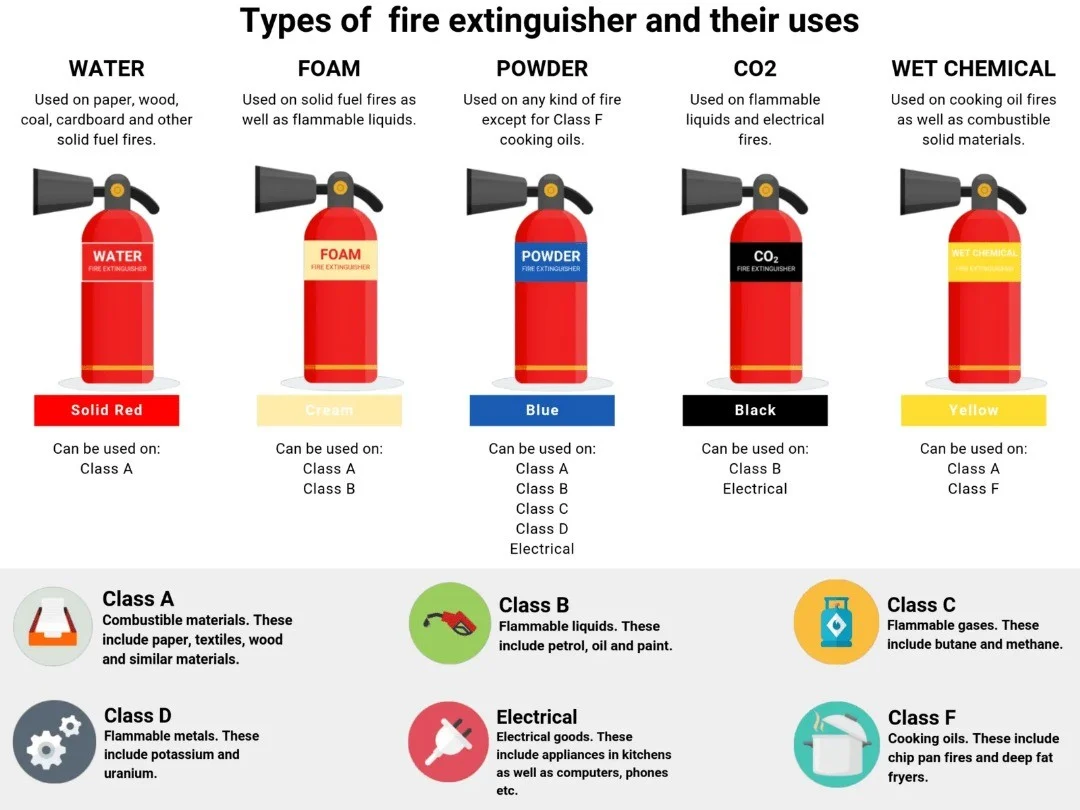
Fire extinguishers come in various types, including water, foam, dry chemical, carbon dioxide (CO₂), and wet chemical, each designed for specific fire classes. Using the right type ensures effective firefighting and prevents the fire from worsening.
![]()
-
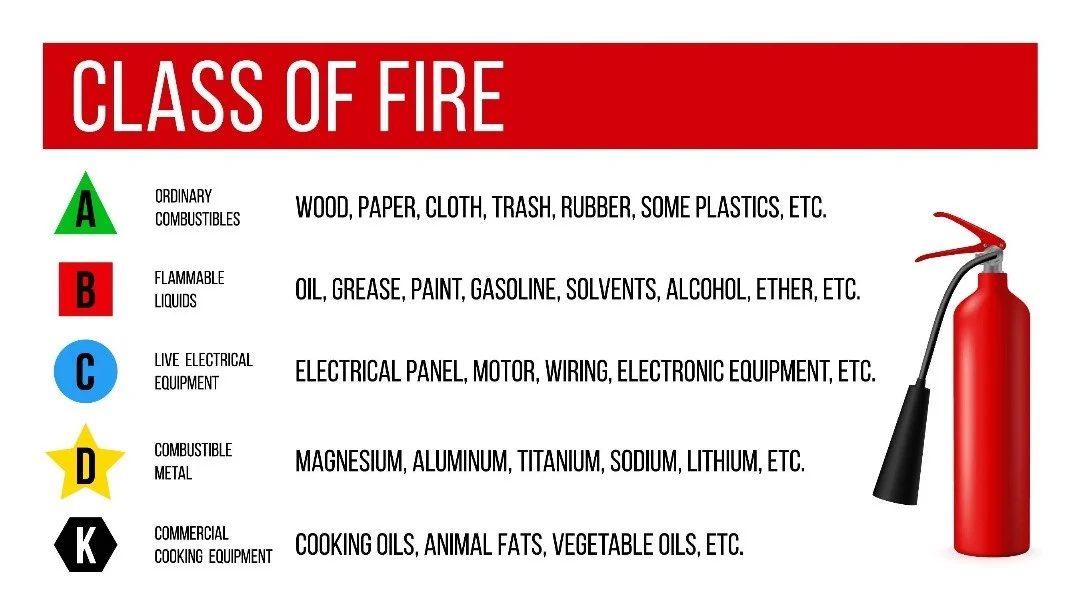
Fires are classified into different classes based on the type of fuel involved, such as Class A (ordinary combustibles), Class B (flammable liquids), Class C (electrical fires), Class D (flammable metals), and Class K (cooking oils and fats). Knowing the class of fire is essential for selecting the correct extinguishing method and equipment.
![]()
-
-
![Profile picture of Benedict Elorm Kofi Acquah]() The power of positive thinking
The power of positive thinking
-
- Load More Posts