


-
Glorious Happy Birthday @eamoako. Today, we celebrate you, may this new year bring along it more of grace, opportunities and favour
7 Comments-
![Profile picture of Emmanuel Amoako]() Thanks boss
Thanks boss 1
1-
![Profile picture of Noah Akakpo]() Let`s expect much of these key insights
Let`s expect much of these key insights -
-
![Profile picture of Benedict Elorm Kofi Acquah]()

-
![Profile picture of Noah Akakpo]() My pleasure
My pleasure
-
-
![Profile picture of Amankwah Yeboah Bright]()

-
-
-
-
![Profile picture of Noah Akakpo]() Thank you too
Thank you too -
![Profile picture of Noah Akakpo]() My pleasure
My pleasure
-
-
![Profile picture of Benedict Elorm Kofi Acquah]() Insightful indeed
Insightful indeed-
![Profile picture of Amankwah Yeboah Bright]()

-
![Profile picture of Noah Akakpo]() My pleasure
My pleasure
-
-
![Profile picture of Amankwah Yeboah Bright]() Thanks for letting us know
Thanks for letting us know -
![Profile picture of Leslie Asom Yeboah]() Thank you for sharing
Thank you for sharing-
![Profile picture of Noah Akakpo]() Thank you too
Thank you too-
![Profile picture of Noah Akakpo]() Let`s expect much of these key insights
Let`s expect much of these key insights
-
-
-
![Profile picture of Edwin Owusu Gyasi]() True💯
True💯-
![Profile picture of Noah Akakpo]() I`m motivated to do more of such
I`m motivated to do more of such-
![Profile picture of Noah Akakpo]() Let`s expect much of these key insights
Let`s expect much of these key insights
-
-
-
![Profile picture of Amankwah Yeboah Bright]()
-
-
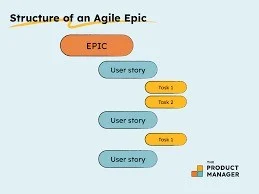
An epic in project management is a large body of work that represents a significant feature or objective too big to be completed in a single sprint or iteration, often spanning multiple sprints or even releases. Epics serve as high-level containers that are broken down into smaller, more manageable user stories and tasks that development teams can…Read More
![]() 6 Comments
6 Comments-
-
![Profile picture of Noah Akakpo]() My pleasure
My pleasure
-
-
![Profile picture of Amankwah Yeboah Bright]() Thanks
Thanks-
![Profile picture of Noah Akakpo]() Thank you too
Thank you too
-
-
![Profile picture of Leslie Asom Yeboah]() Thank you Boss
Thank you Boss-
![Profile picture of Noah Akakpo]() Thank you too
Thank you too
-
-
-
-
![Profile picture of Benedict Elorm Kofi Acquah]() Thank you for sharing
Thank you for sharing-
![Profile picture of Noah Akakpo]() My pleasure
My pleasure-
![Profile picture of Noah Akakpo]() My pleasure
My pleasure
-
-
![Profile picture of Noah Akakpo]() Thank you too
Thank you too-
![Profile picture of Noah Akakpo]() I`m motivated to do more of such
I`m motivated to do more of such
-
-
-
![Profile picture of Amankwah Yeboah Bright]()
-
![Profile picture of Amankwah Yeboah Bright]() Thanks for sharing
Thanks for sharing
-
-
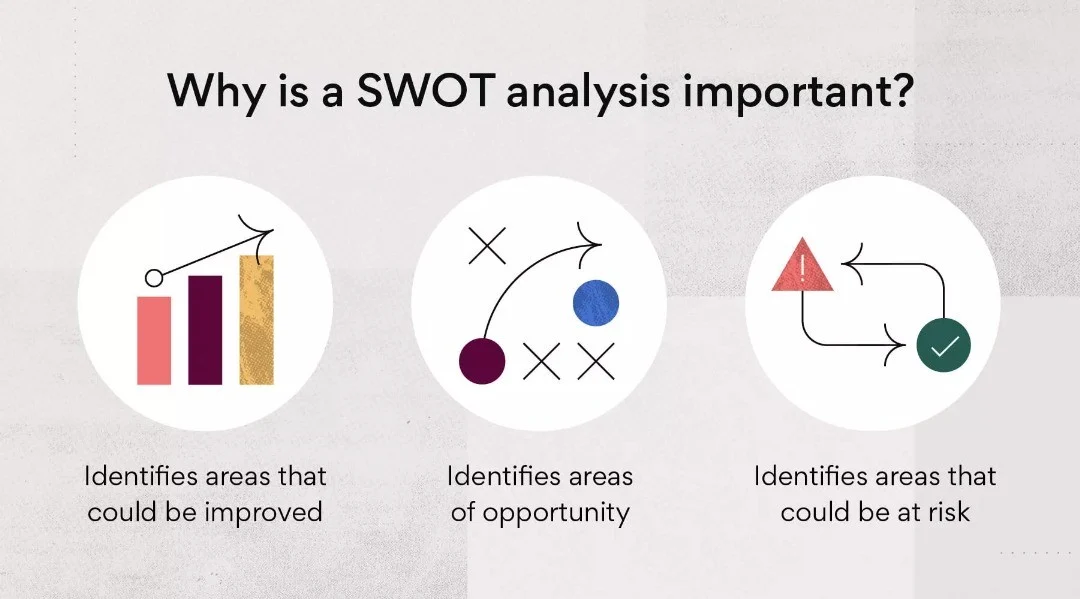
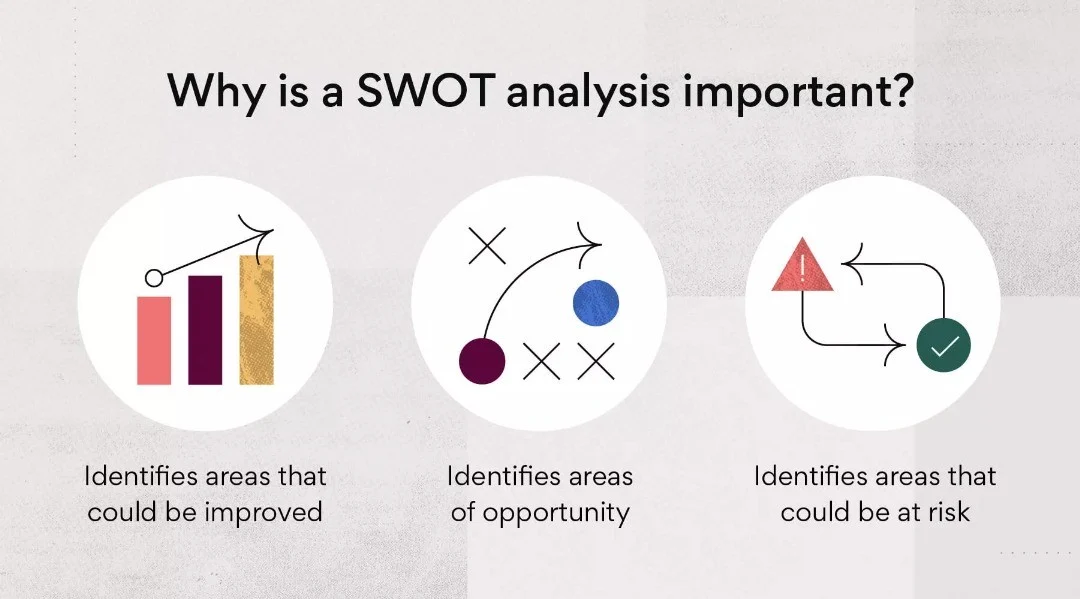
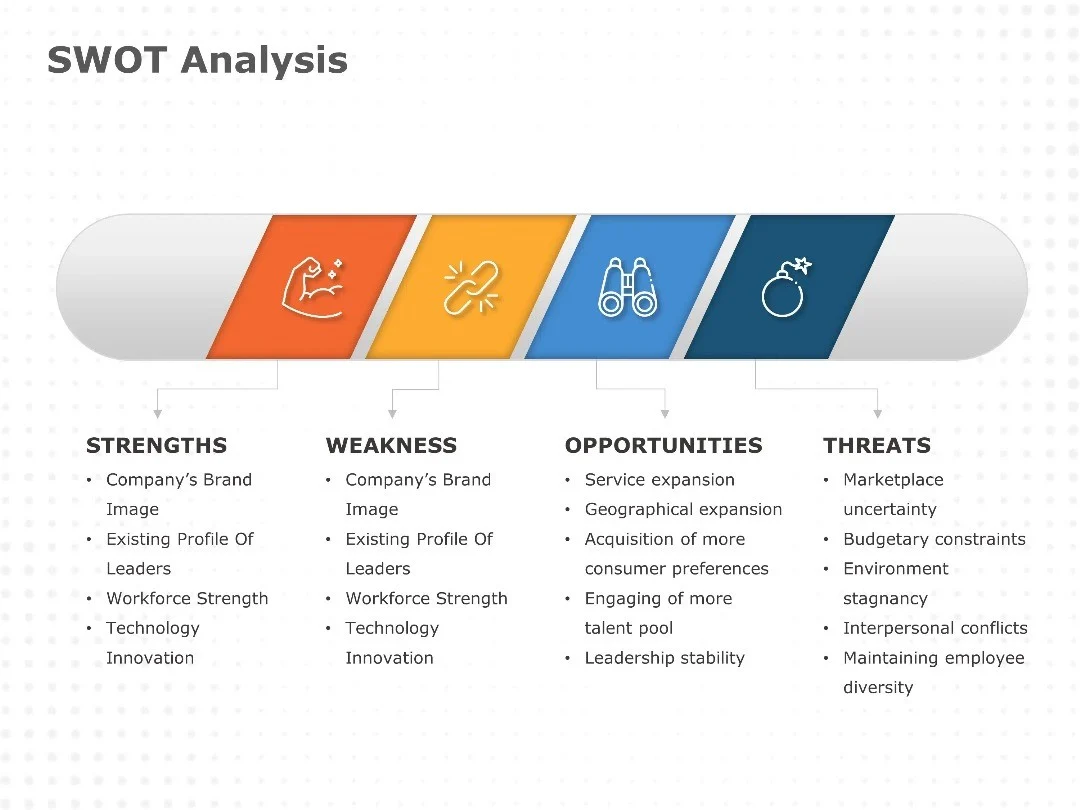
SWOT analysis is a strategic planning tool that evaluates an organization’s internal Strengths and Weaknesses alongside external Opportunities and Threats to assess its current position and inform decision-making. This framework helps businesses identify areas of competitive advantage, recognize potential risks, and develop strategies that…Read More
![]() 15 Comments
15 Comments-
-
![Profile picture of Noah Akakpo]() I`m motivated to do more of such
I`m motivated to do more of such
-
-
![Profile picture of Benedict Elorm Kofi Acquah]()
Very interesting
-
![Profile picture of Benedict Elorm Kofi Acquah]()

-
![Profile picture of Noah Akakpo]() My pleasure
My pleasure
-
-
![Profile picture of Noah Akakpo]() Let`s expect much of these key insights
Let`s expect much of these key insights
-
-
![Profile picture of Stephen Osafo Addo]() thanks for sharing
thanks for sharing-
![Profile picture of Noah Akakpo]() My pleasure
My pleasure
-
-
![Profile picture of Amankwah Yeboah Bright]() Thanks
Thanks -
![Profile picture of Leslie Asom Yeboah]() Insightful
Insightful-
![Profile picture of Amankwah Yeboah Bright]()
-
![Profile picture of Noah Akakpo]() Let`s expect much of these key insights
Let`s expect much of these key insights-
![Profile picture of Noah Akakpo]() My pleasure
My pleasure
-
-
-
![Profile picture of Edwin Owusu Gyasi]() Thank you 🙏🏽
Thank you 🙏🏽-
![Profile picture of Noah Akakpo]() My pleasure
My pleasure
-
-
-
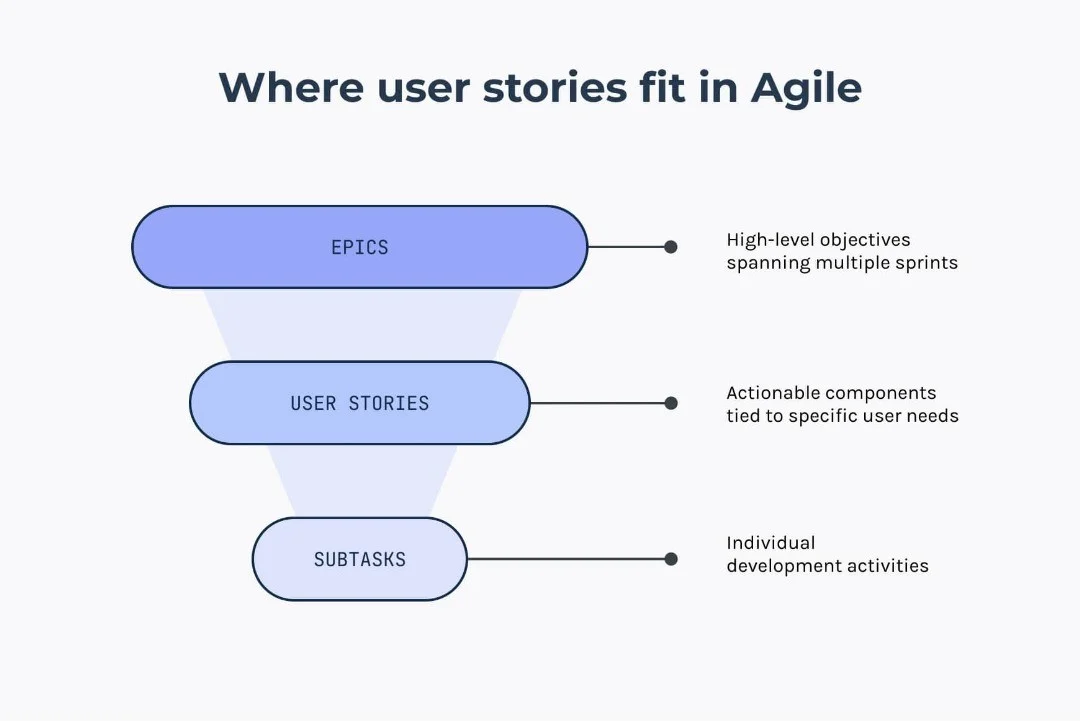
This diagram illustrates the hierarchical structure of agile project planning, showing how user stories fit as the middle layer between high-level epics (broad objectives spanning multiple sprints) and granular subtasks (individual development activities). User stories serve as actionable components that translate epic-level goals into specific…Read More
![]() 12 Comments
12 Comments-
-
![Profile picture of Amankwah Yeboah Bright]()
-
![Profile picture of Noah Akakpo]() My pleasure
My pleasure -
![Profile picture of Noah Akakpo]() My pleasure
My pleasure -
![Profile picture of Noah Akakpo]() I`m motivated to do more of such
I`m motivated to do more of such
-
-
![Profile picture of Amankwah Yeboah Bright]() Thanks
Thanks -
![Profile picture of Leslie Asom Yeboah]() Thank you Cant wait to delve into project management
Thank you Cant wait to delve into project management-
![Profile picture of Noah Akakpo]() Let`s expect much of these key insights
Let`s expect much of these key insights
-
-
![Profile picture of Prince Agyare]() Thanks for letting us know
Thanks for letting us know-
![Profile picture of Noah Akakpo]() My pleasure
My pleasure -
![Profile picture of Noah Akakpo]() Thank you too
Thank you too
-
-
![Profile picture of Amankwah Yeboah Bright]() I’ve learnt something
I’ve learnt something
-
-
-
![Profile picture of Benedict Elorm Kofi Acquah]() Thank you for sharing boss
Thank you for sharing boss-
![Profile picture of Noah Akakpo]() Thank you too
Thank you too -
![Profile picture of Noah Akakpo]() My pleasure
My pleasure
-
-
![Profile picture of Amankwah Yeboah Bright]() Thanks for sharing
Thanks for sharing -
![Profile picture of Leslie Asom Yeboah]() Very informative
Very informative-
![Profile picture of Amankwah Yeboah Bright]()
-
![Profile picture of Prince Agyare]() yeah
yeah-
![Profile picture of Noah Akakpo]() Let`s expect much of these key insights
Let`s expect much of these key insights
-
-
![Profile picture of Noah Akakpo]() Let`s expect much of these key insights
Let`s expect much of these key insights -
![Profile picture of Noah Akakpo]() My pleasure
My pleasure -
![Profile picture of Noah Akakpo]() My pleasure
My pleasure
-
-
![Profile picture of Amankwah Yeboah Bright]() I’ve learnt something
I’ve learnt something
-
-
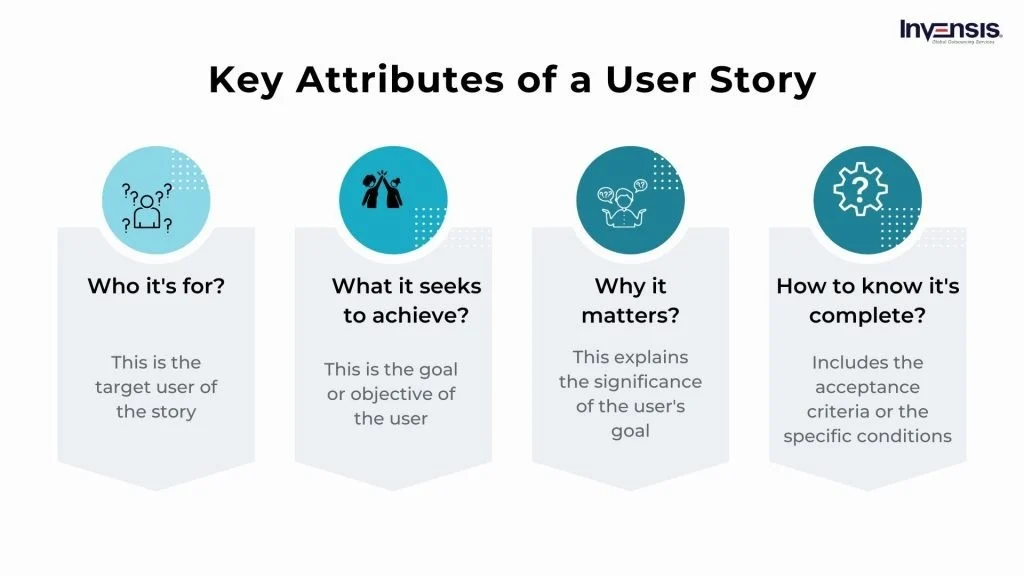
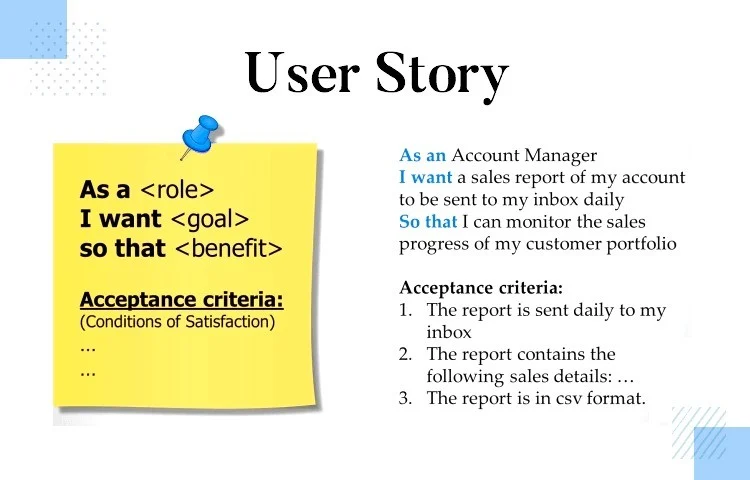
A user story is a brief, informal description of a software feature written from the perspective of an end user, typically following the format “As a [type of user], I want [some goal] so that [some reason].” User stories serve as a communication tool in agile development to capture requirements in simple, user-focused language that helps…Read More
![]() 12 Comments
12 Comments-
![Profile picture of Benedict Elorm Kofi Acquah]() Good to know
Good to know-
![Profile picture of Amankwah Yeboah Bright]()
-
![Profile picture of Noah Akakpo]() Let`s expect much of these key insights
Let`s expect much of these key insights -
![Profile picture of Noah Akakpo]() Thank you too
Thank you too -
![Profile picture of Noah Akakpo]() My pleasure
My pleasure
-
-
![Profile picture of Amankwah Yeboah Bright]()
-
![Profile picture of Leslie Asom Yeboah]() Thank you so much Boss
Thank you so much Boss-
![Profile picture of Noah Akakpo]() My pleasure
My pleasure -
![Profile picture of Noah Akakpo]() My pleasure
My pleasure -
![Profile picture of Noah Akakpo]() Thank you too
Thank you too
-
-
![Profile picture of Amankwah Yeboah Bright]() Thanks for sharing
Thanks for sharing -
![Profile picture of Amankwah Yeboah Bright]() I’ve learnt something
I’ve learnt something
-
-
-
![Profile picture of Benedict Elorm Kofi Acquah]() Very important for data integrity
Very important for data integrity-
![Profile picture of Noah Akakpo]() I`m motivated to do more of such
I`m motivated to do more of such-
![Profile picture of Noah Akakpo]() My pleasure
My pleasure
-
-
![Profile picture of Amankwah Yeboah Bright]() Insightful
Insightful -
![Profile picture of Edwin Owusu Gyasi]() Yes Data Cleaning is very important in the data analysis process
Yes Data Cleaning is very important in the data analysis process-
![Profile picture of Noah Akakpo]() I`m motivated to do more of such
I`m motivated to do more of such
-
-
![Profile picture of Prince Agyare]() Very helpful,good to know
Very helpful,good to know-
![Profile picture of Noah Akakpo]() Let`s expect much of these key insights
Let`s expect much of these key insights
-
-
-
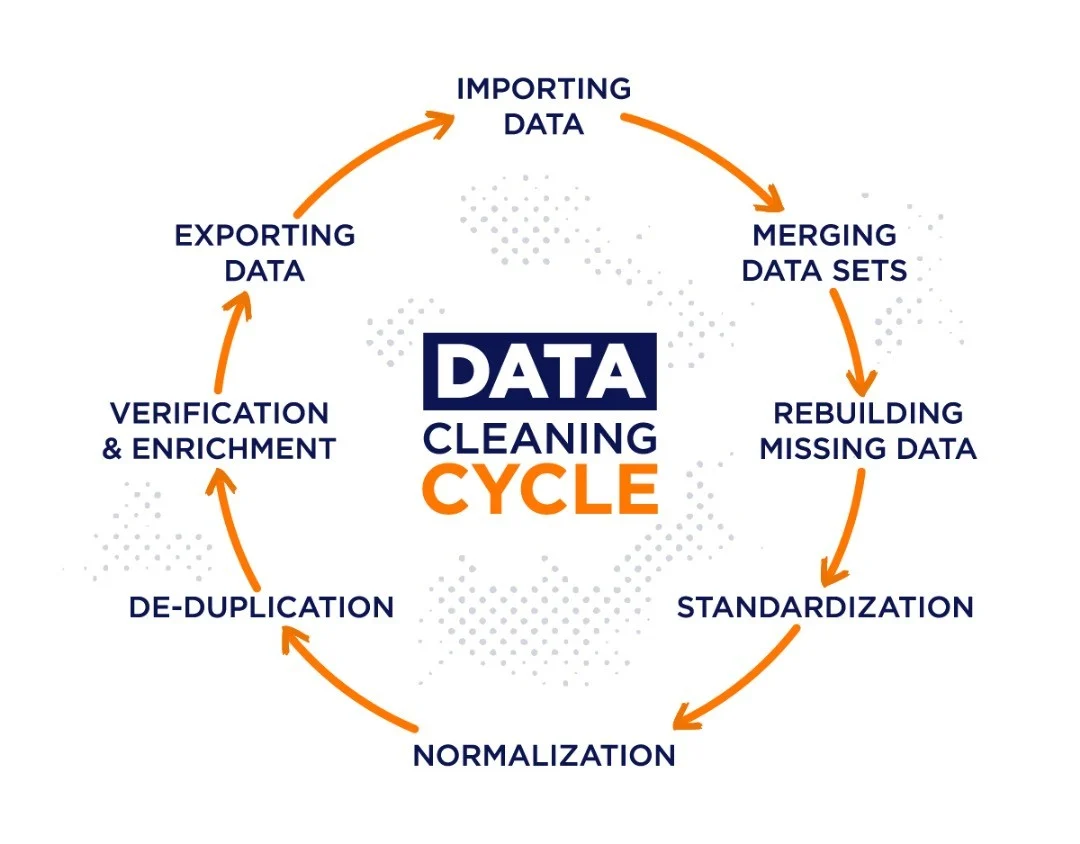
This diagram illustrates the Data Cleaning Cycle, a systematic process that begins with importing data and progresses through merging datasets, rebuilding missing data, standardization, normalization, de-duplication, and verification and enrichment before exporting the cleaned data. The cyclical nature emphasizes that data cleaning is an iterative…Read More
![]() 8 Comments
8 Comments-
![Profile picture of Benedict Elorm Kofi Acquah]() Very insightful
Very insightful-
![Profile picture of Noah Akakpo]() My pleasure
My pleasure -
![Profile picture of Noah Akakpo]() My pleasure
My pleasure
-
-
![Profile picture of Amankwah Yeboah Bright]() Thanks for sharing
Thanks for sharing -
![Profile picture of Edwin Owusu Gyasi]() Thanks you for sharing
Thanks you for sharing-
![Profile picture of Noah Akakpo]() I`m motivated to do more of such
I`m motivated to do more of such
-
-
![Profile picture of Prince Agyare]() 📌
📌-
![Profile picture of Noah Akakpo]() Thank you too
Thank you too
-
-
-
-
![Profile picture of Benedict Elorm Kofi Acquah]() Thank you for sharing
Thank you for sharing-
![Profile picture of Noah Akakpo]() Let`s expect much of these key insights
Let`s expect much of these key insights -
![Profile picture of Noah Akakpo]() My pleasure
My pleasure
-
-
![Profile picture of Amankwah Yeboah Bright]() Thanks for the share
Thanks for the share -
![Profile picture of Edwin Owusu Gyasi]() Great!
Great!-
![Profile picture of Noah Akakpo]() Let`s expect much of these key insights
Let`s expect much of these key insights
-
-
-
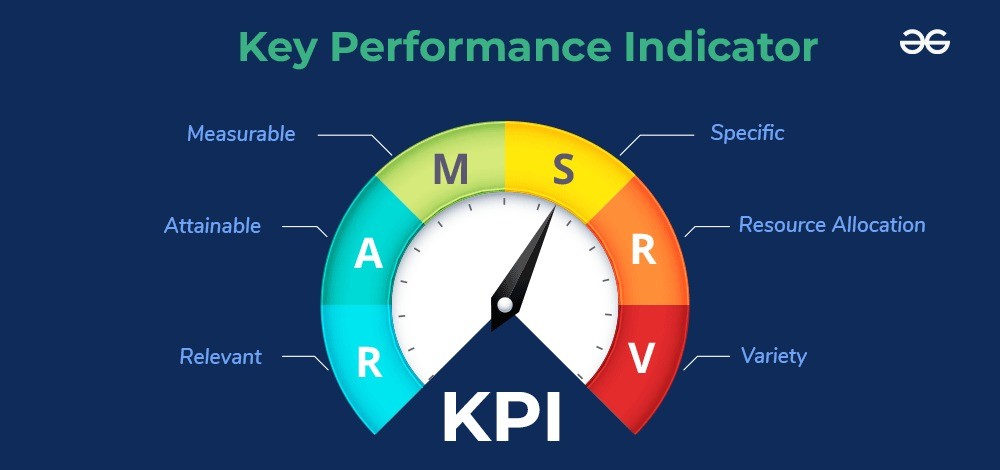
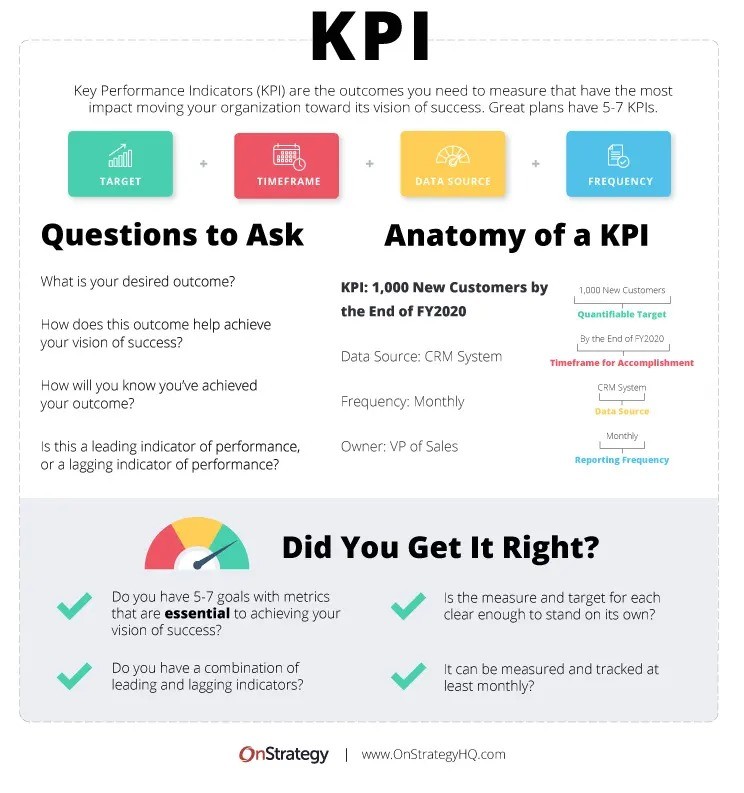
This infographic explains Key Performance Indicators (KPIs) as measurable outcomes that help organizations track progress toward their vision of success, with four essential components: target, timeframe, data source, and frequency. It provides a practical framework for developing effective KPIs by asking key questions about desired outcomes and…Read More
![]() 6 Comments
6 Comments-
![Profile picture of Benedict Elorm Kofi Acquah]() Thank you boss
Thank you boss-
![Profile picture of Benedict Elorm Kofi Acquah]() Very concise
Very concise-
![Profile picture of Noah Akakpo]() Let`s expect much of these key insights
Let`s expect much of these key insights
-
-
![Profile picture of Noah Akakpo]() My pleasure
My pleasure -
![Profile picture of Noah Akakpo]() My pleasure
My pleasure
-
-
![Profile picture of Amankwah Yeboah Bright]() Thanks for sharing
Thanks for sharing
-
-
-
![Profile picture of Benedict Elorm Kofi Acquah]() Thank you for sharing
Thank you for sharing-
![Profile picture of Noah Akakpo]() My pleasure
My pleasure -
![Profile picture of Noah Akakpo]() My pleasure
My pleasure
-
-
![Profile picture of Amankwah Yeboah Bright]() Thanks
Thanks -
![Profile picture of Edwin Owusu Gyasi]() Thanks !
Thanks !-
![Profile picture of Noah Akakpo]() My pleasure
My pleasure
-
-
![Profile picture of Prince Agyare]() Appreciated
Appreciated-
![Profile picture of Noah Akakpo]() My pleasure
My pleasure
-
-
-
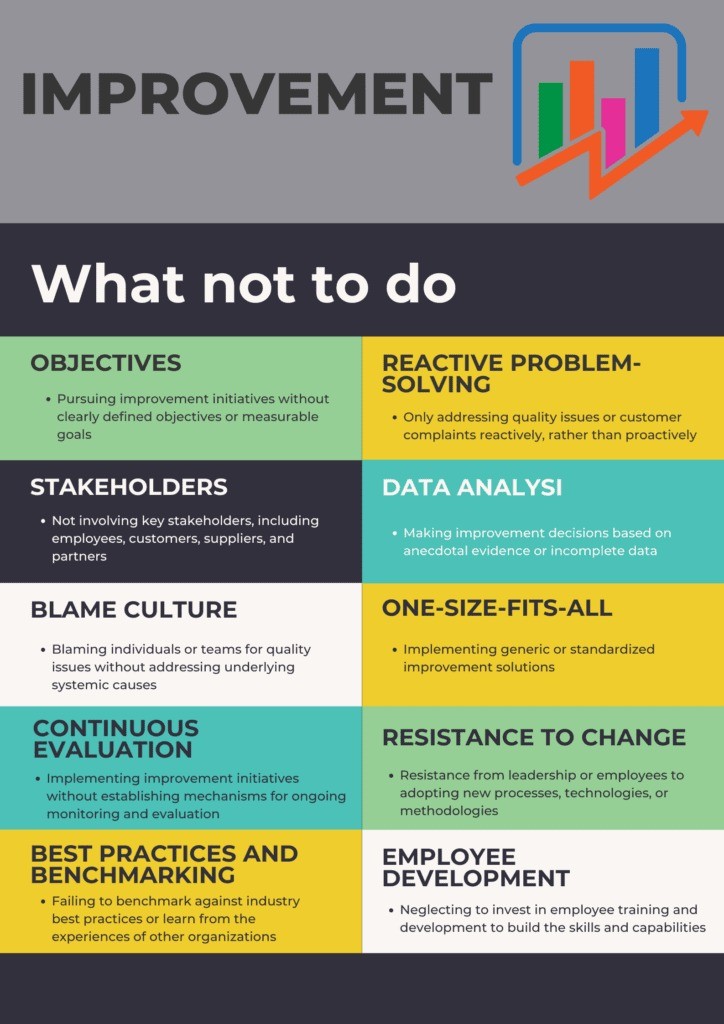
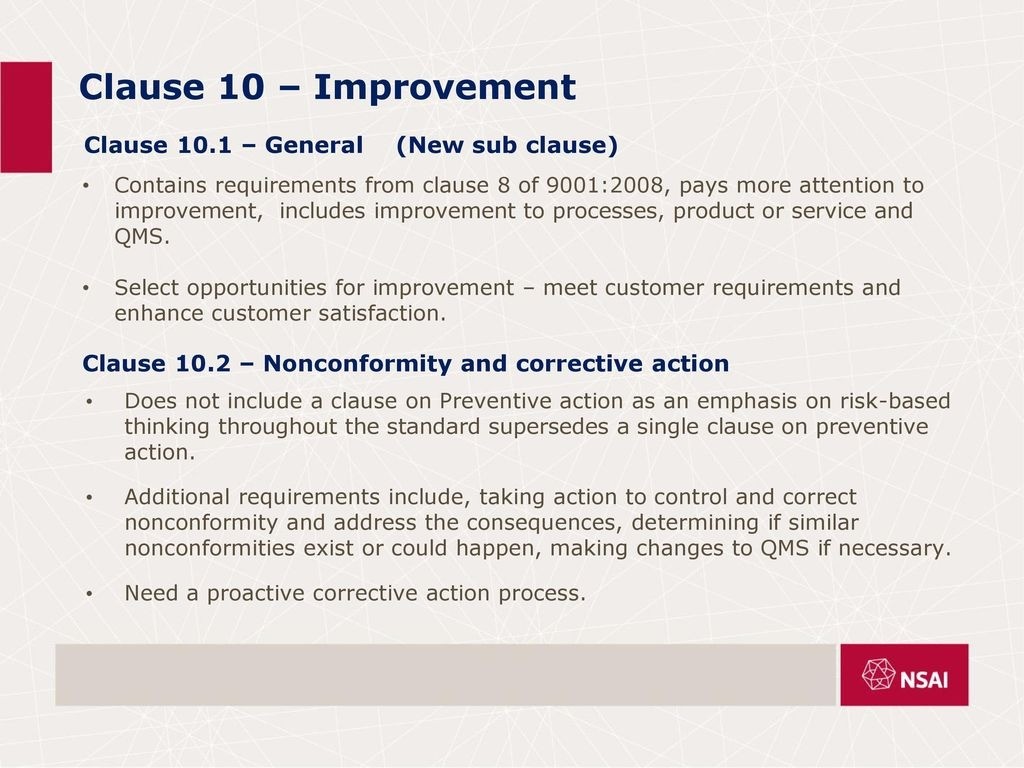
Clause 10 of ISO 9001 focuses on Improvement and requires organizations to select opportunities for improvement to meet customer requirements and enhance satisfaction. It also mandates that organizations take corrective action when nonconformities occur and implement proactive processes to prevent similar issues from happening again.
![]() 5 Comments
5 Comments-
![Profile picture of Benedict Elorm Kofi Acquah]() Thank you for sharing
Thank you for sharing-
![Profile picture of Noah Akakpo]() My pleasure
My pleasure -
![Profile picture of Noah Akakpo]() My pleasure
My pleasure-
![Profile picture of Noah Akakpo]() Let`s expect more of such
Let`s expect more of such
-
-
-
![Profile picture of Amankwah Yeboah Bright]() Thanks
Thanks
-
-
-
![Profile picture of Amankwah Yeboah Bright]() Thanks for sharing Brother
Thanks for sharing Brother -
![Profile picture of Andy Essel]() Safety always
Safety always-
![Profile picture of Noah Akakpo]() Yes please
Yes please-
![Profile picture of Noah Akakpo]() Glad it helped
Glad it helped
-
-
-
![Profile picture of Edwin Owusu Gyasi]() Thanks bro
Thanks bro-
![Profile picture of Noah Akakpo]() My pleasure
My pleasure
-
-
![Profile picture of Caleb Kofi Whyte]() Safety first
Safety first -
![Profile picture of Benedict Elorm Kofi Acquah]() Safety is very important
Safety is very important-
![Profile picture of Benedict Elorm Kofi Acquah]() Thank you for sharing
Thank you for sharing-
![Profile picture of Noah Akakpo]() My pleasure
My pleasure -
![Profile picture of Noah Akakpo]() My pleasure
My pleasure
-
-
![Profile picture of Noah Akakpo]() My pleasure
My pleasure -
![Profile picture of Noah Akakpo]() My pleasure
My pleasure
-
-
![Profile picture of Prince Agyare]() Sure thing
Sure thing
-
-
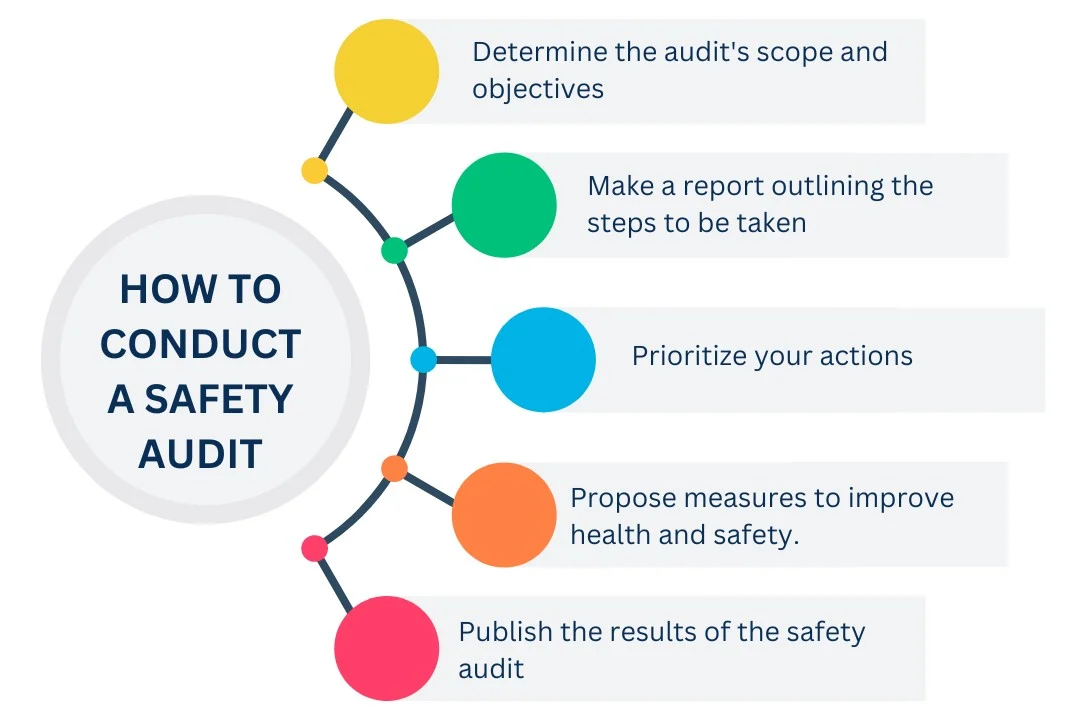
This diagram illustrates the five key steps for conducting a safety audit, starting with determining the audit’s scope and objectives and ending with publishing the results. The process flows systematically through planning, reporting, prioritizing actions, proposing improvements, and finally communicating findings to ensure comprehensive…Read More
![]() 13 Comments
13 Comments-
![Profile picture of Amankwah Yeboah Bright]() thanks for enlightening us
thanks for enlightening us -
![Profile picture of Andy Essel]() Thanks for sharing
Thanks for sharing-
![Profile picture of Noah Akakpo]() My pleasure
My pleasure -
![Profile picture of Noah Akakpo]() My pleasure
My pleasure
-
-
![Profile picture of Caleb Kofi Whyte]() Thanks for the Insight
Thanks for the Insight -
![Profile picture of Benedict Elorm Kofi Acquah]() Thank you for the insight
Thank you for the insight-
![Profile picture of Noah Akakpo]() My pleasure
My pleasure -
![Profile picture of Noah Akakpo]() My pleasure
My pleasure-
![Profile picture of Noah Akakpo]() My pleasure
My pleasure
-
-
-
![Profile picture of Dan Yeboah]() Thank you
Thank you-
![Profile picture of Noah Akakpo]() My pleasure
My pleasure -
![Profile picture of Noah Akakpo]() My pleasure
My pleasure
-
-
![Profile picture of Prince Agyare]() Thanks for letting us know
Thanks for letting us know
-
-
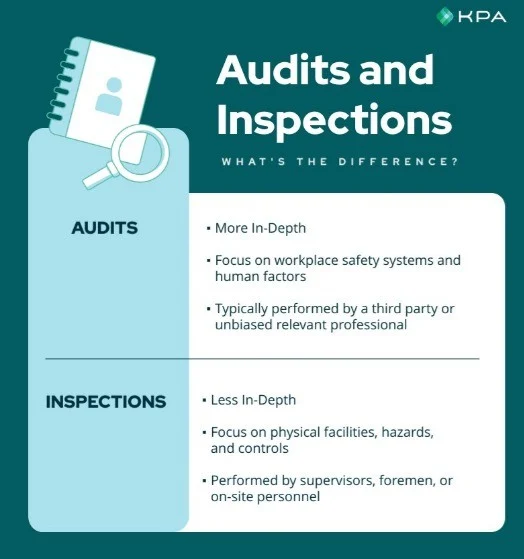
An auditor systematically examines and evaluates financial records, processes, or systems to assess accuracy, compliance, and effectiveness, typically producing formal reports with findings and recommendations. An inspector conducts physical examinations or assessments of facilities, products, or operations to ensure they meet specific standards,…Read More
![]() 4 Comments
4 Comments-
![Profile picture of Amankwah Yeboah Bright]()
-
![Profile picture of Benedict Elorm Kofi Acquah]() That’s good to know
That’s good to know-
![Profile picture of Noah Akakpo]() My pleasure
My pleasure-
![Profile picture of Noah Akakpo]() My pleasure
My pleasure
-
-
-
-
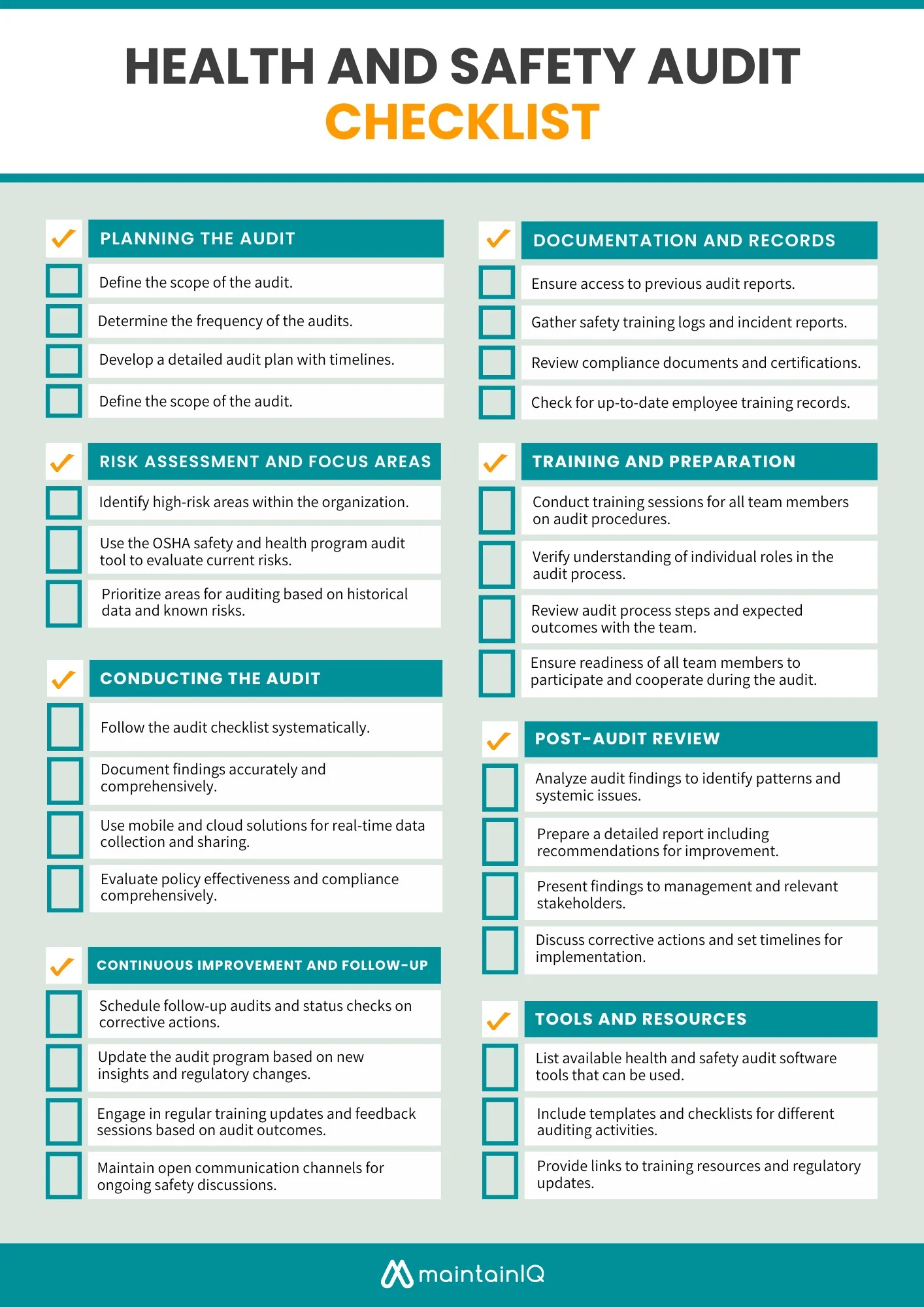
Stay audit-ready and safety-smart with this comprehensive Health and Safety Audit Checklist—your step-by-step guide to identifying risks, ensuring compliance, and driving continuous improvement.
From planning to post-audit follow-up, this tool helps teams stay aligned, prepared, and proactive.![]() 8 Comments
8 Comments-
![Profile picture of Amankwah Yeboah Bright]() thank you
thank you -
![Profile picture of Caleb Kofi Whyte]() Safety comes before all
Safety comes before all -
![Profile picture of Benedict Elorm Kofi Acquah]() Thank you for sharing
Thank you for sharing-
![Profile picture of Benedict Elorm Kofi Acquah]() Very insightful
Very insightful-
![Profile picture of Noah Akakpo]() My pleasure
My pleasure
-
-
![Profile picture of Noah Akakpo]() My pleasure
My pleasure-
![Profile picture of Noah Akakpo]() My pleasure
My pleasure
-
-
![Profile picture of Noah Akakpo]() My pleasure
My pleasure
-
-
-
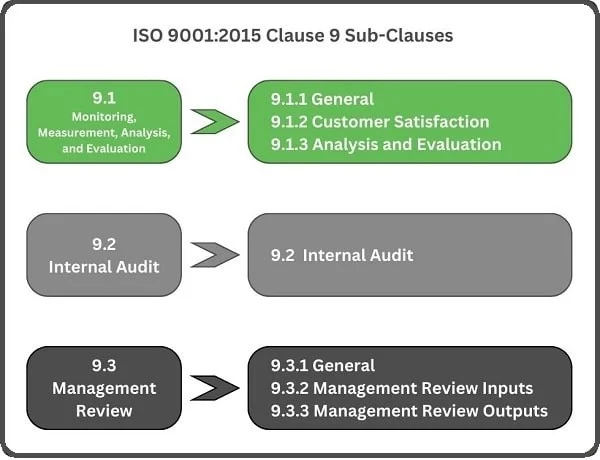
Clause 9 of the ISO standards focuses on **Performance Evaluation**, requiring organizations to monitor, measure, analyze, and evaluate their processes to ensure they meet intended outcomes. It emphasizes internal audits, customer satisfaction, and management reviews as tools to drive continuous improvement.
![]() 4 Comments
4 Comments-
![Profile picture of Amankwah Yeboah Bright]()
-
![Profile picture of Benedict Elorm Kofi Acquah]() Thank you for sharing boss
Thank you for sharing boss-
![Profile picture of Noah Akakpo]() My pleasure
My pleasure -
![Profile picture of Noah Akakpo]() My pleasure
My pleasure
-
-
-
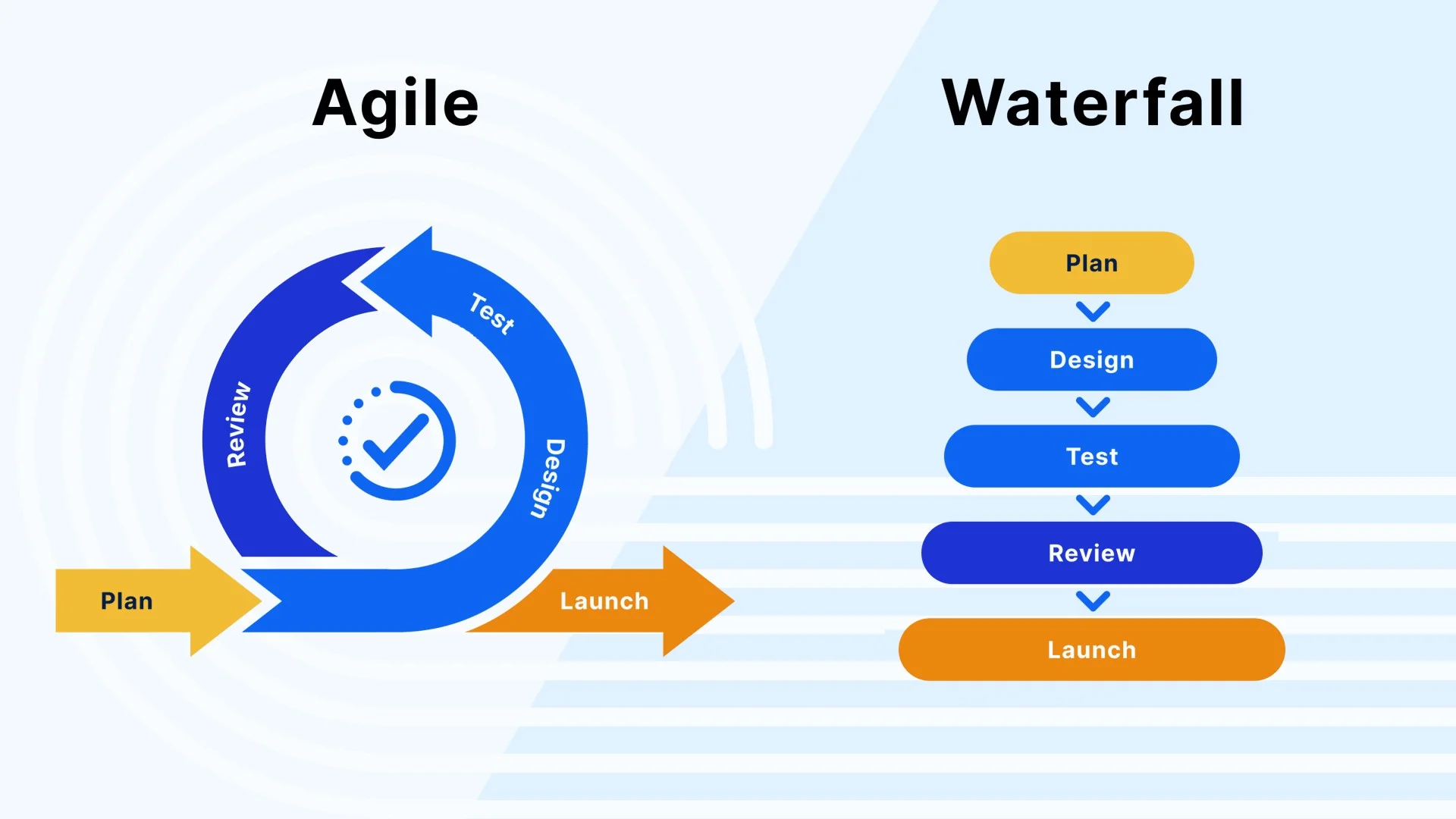
Agile is an iterative and flexible project management approach that emphasizes continuous feedback, collaboration, and adaptability to change. In contrast, the Waterfall model follows a linear and sequential process where each phase must be completed before moving to the next, making it more rigid but suitable for well-defined projects.
![]() 10 Comments
10 Comments-
![Profile picture of Emmanuel Nii Okai Hammond]() Very informative
Very informative -
![Profile picture of Caleb Kofi Whyte]() Thanks for sharing
Thanks for sharing
-
![Profile picture of Edwin Owusu Gyasi]() Thank you
Thank you -
![Profile picture of Andy Essel]() Thanks for sharing
Thanks for sharing-
![Profile picture of Noah Akakpo]() My pleasure
My pleasure -
![Profile picture of Noah Akakpo]() My pleasure
My pleasure
-
-
![Profile picture of Benedict Elorm Kofi Acquah]() Thank you for sharing boss
Thank you for sharing boss-
![Profile picture of Noah Akakpo]() My pleasure
My pleasure -
![Profile picture of Noah Akakpo]() My pleasure
My pleasure
-
-
![Profile picture of Amankwah Yeboah Bright]() Thanks you
Thanks you
-
- Load More Posts












Lancelot Dinsey
- Name, Lancelot Dinsey
- Age, 19 years
- Currently a student of KNUST