
-
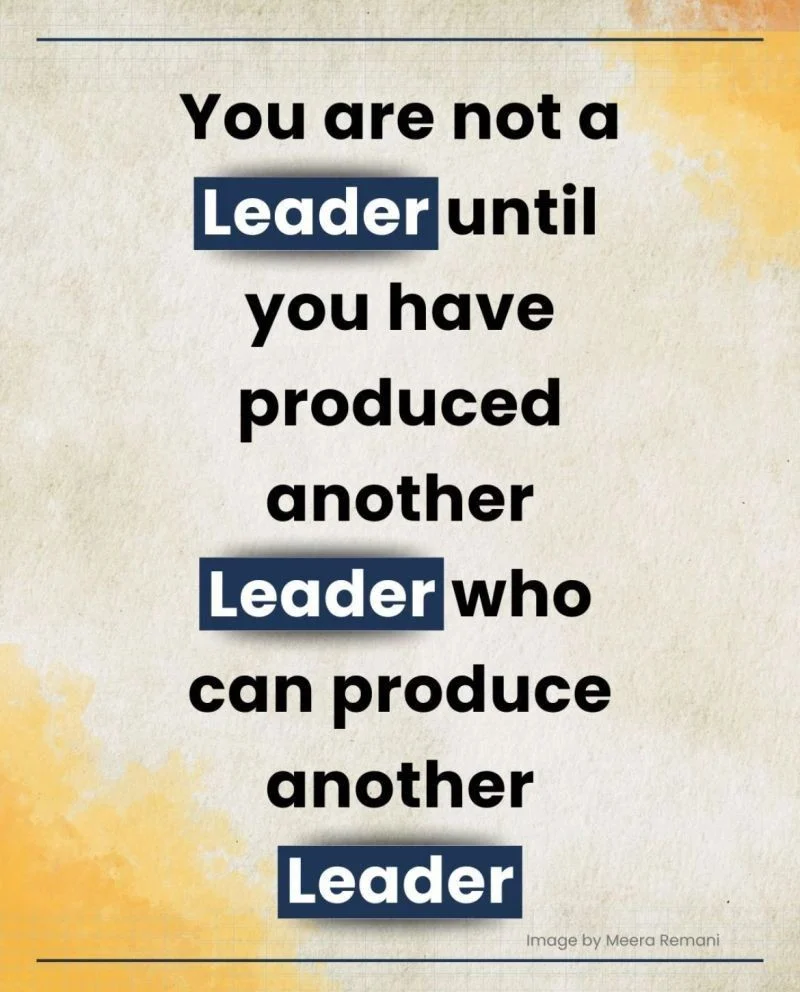
You’re good at your job, so you become a leader.
But can your team lead without you?
![]() 13 Comments
13 Comments-
![Profile picture of Prince Agyare]() 📌
📌 2
2 -
-
![Profile picture of Benedict Elorm Kofi Acquah]() The leader not only tells people what to do when but also equips them with the ability to act even in his/her absence
The leader not only tells people what to do when but also equips them with the ability to act even in his/her absence-
![Profile picture of Caleb Kofi Whyte]() Exactly
Exactly
-
-
![Profile picture of Caleb Kofi Whyte]() Yeah
Yeah
-
-
![Profile picture of Bismark Awen-Nying Adaagoam]() Unfortunately, it’s not the case in my country. My people usually get drunk with power and careless about what happens when they are no more.
Unfortunately, it’s not the case in my country. My people usually get drunk with power and careless about what happens when they are no more.-
![Profile picture of Caleb Kofi Whyte]() May we not be blinded by power but use that power for the greater good in any way we can
May we not be blinded by power but use that power for the greater good in any way we can
-
-
![Profile picture of Caleb Kofi Whyte]() You’re welcome
You’re welcome
-
-
-
![Profile picture of Caleb Kofi Whyte]() You are welcome
You are welcome
-
-
-
Comparing timelines.
Looking around instead of within.Measuring success by someone else’s standards.
Not everything you try will stick.And that’s the point.
![]() 5 Comments
5 Comments -
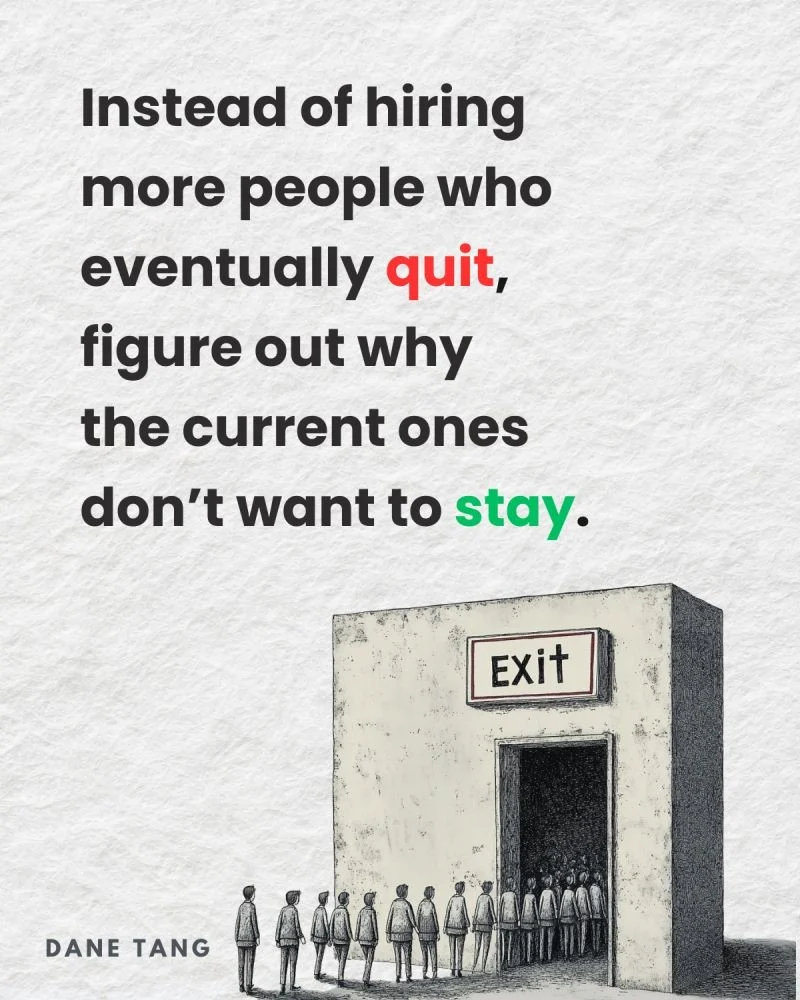
Retention isn’t about keeping seats filled.
It’s about making people feel like they matter.Because when they do, they don’t leave.
If someone on your team is quietly struggling…
Would they feel safe telling you?![]() 4 Comments
4 Comments -
You don’t need to overthink every detail to be prepared.
You just need to focus on what you can control.![]() 8 Comments
8 Comments -
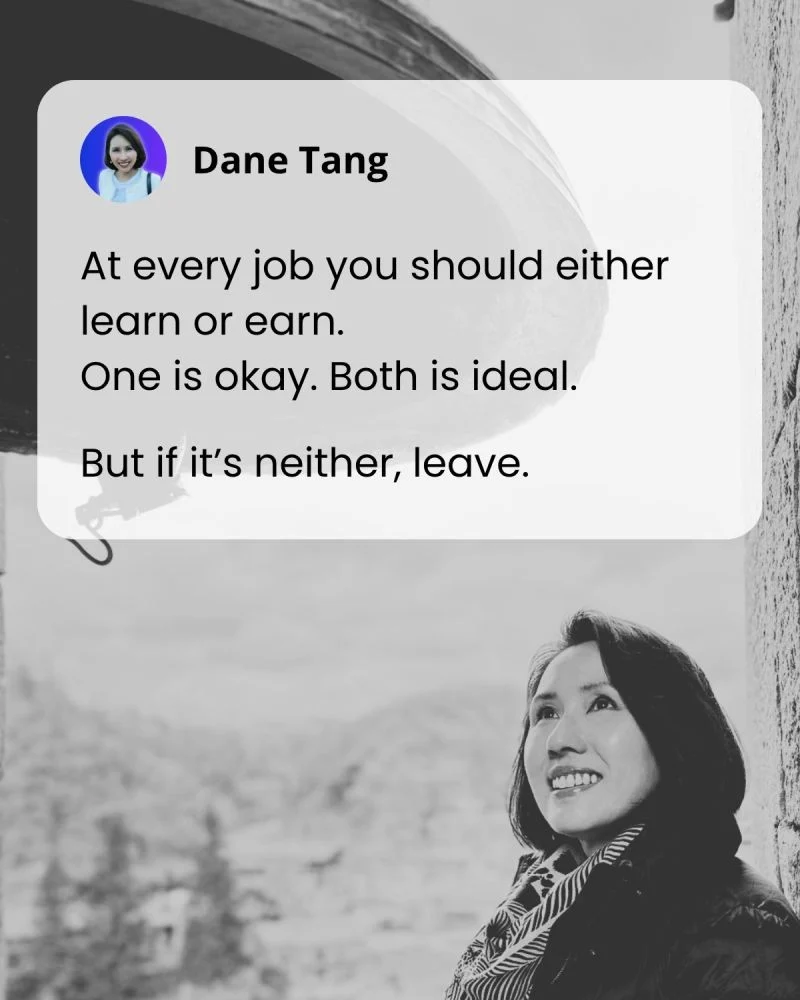
Staying in a job that gives you neither growth nor fair compensation slowly chips away at your confidence.
![]() 11 Comments
11 Comments -
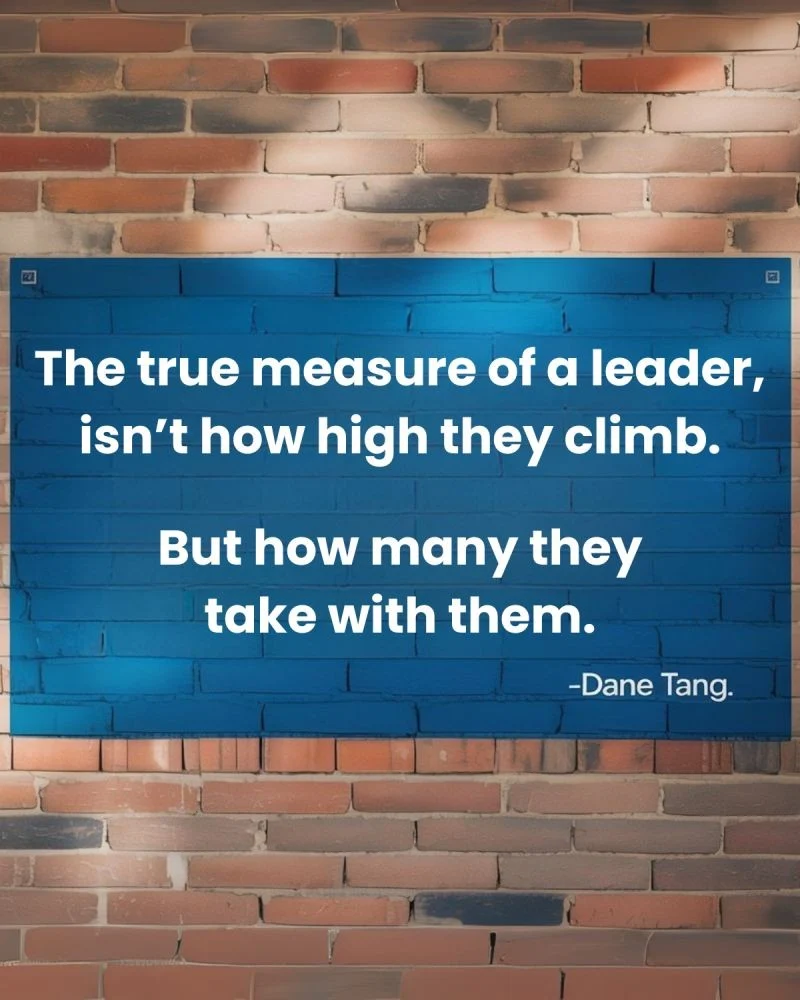
You don’t measure leadership by how far you go.
You measure it by how many people you help grow.![]() 9 Comments
9 Comments -
-
![Profile picture of Benedict Elorm Kofi Acquah]() Very insightful, thank you for sharing
Very insightful, thank you for sharing
-
![Profile picture of Nana Amankwah Ocran]() Thanks for sharing bro
Thanks for sharing bro -
![Profile picture of Amankwah Yeboah Bright]() Thanks for sharing
Thanks for sharing -
![Profile picture of Leslie Asom Yeboah]() Valid point made.Can’t wait for more of this
Valid point made.Can’t wait for more of this
-
-
-
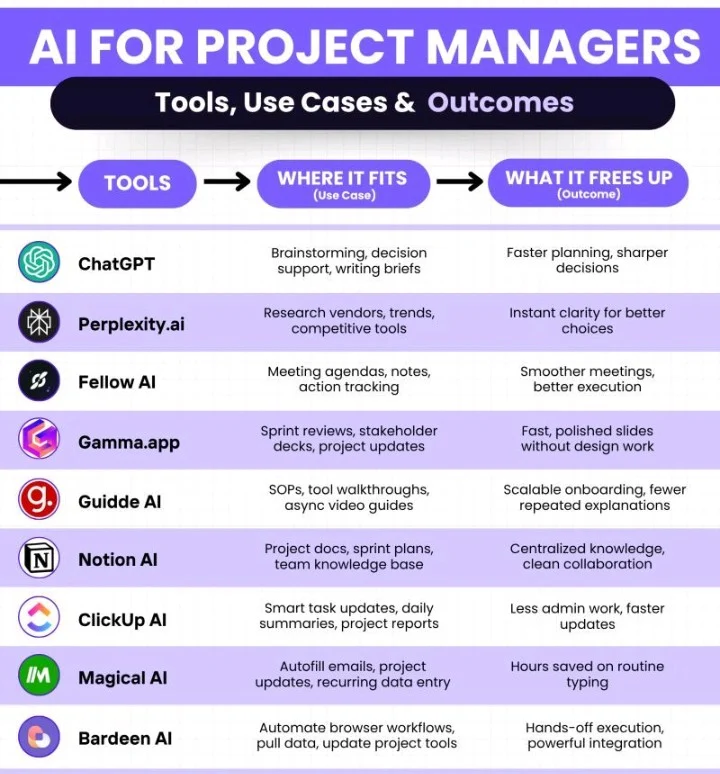
![Profile picture of Benedict Elorm Kofi Acquah]() Very helpful tools, i have seen some
Very helpful tools, i have seen some-
![Profile picture of Benedict Elorm Kofi Acquah]() Thank you for sharing
Thank you for sharing
-
-
![Profile picture of Prince Agyare]() They’re very helpful
They’re very helpful -
![Profile picture of Amankwah Yeboah Bright]() Thanks for sharing
Thanks for sharing
-
-
-
![Profile picture of Benedict Elorm Kofi Acquah]() Very good ones indeed, thank you for sharing
Very good ones indeed, thank you for sharing -
![Profile picture of Amankwah Yeboah Bright]() Thanks for sharing
Thanks for sharing
-
-
-
![Profile picture of Benedict Elorm Kofi Acquah]() Thank you for sharing boss
Thank you for sharing boss-
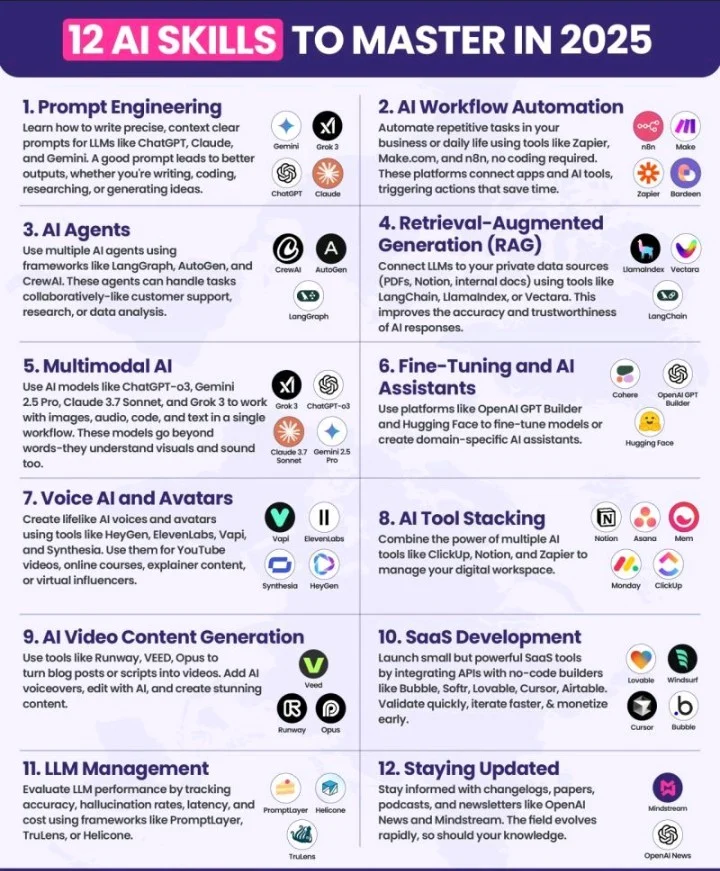
![Profile picture of Benedict Elorm Kofi Acquah]() In my opinion, the ones we can start with are the prompt engineering, ai agents, ai workflows and the saas development.
In my opinion, the ones we can start with are the prompt engineering, ai agents, ai workflows and the saas development.-
![Profile picture of Benedict Elorm Kofi Acquah]() For the multimodal ai, most of the ChatGPTs and Google Gemini’s are already multimodal. We already use such functionality everyday
For the multimodal ai, most of the ChatGPTs and Google Gemini’s are already multimodal. We already use such functionality everyday
-
-
-
![Profile picture of Amankwah Yeboah Bright]() Thanks for sharing
Thanks for sharing
-
-
-
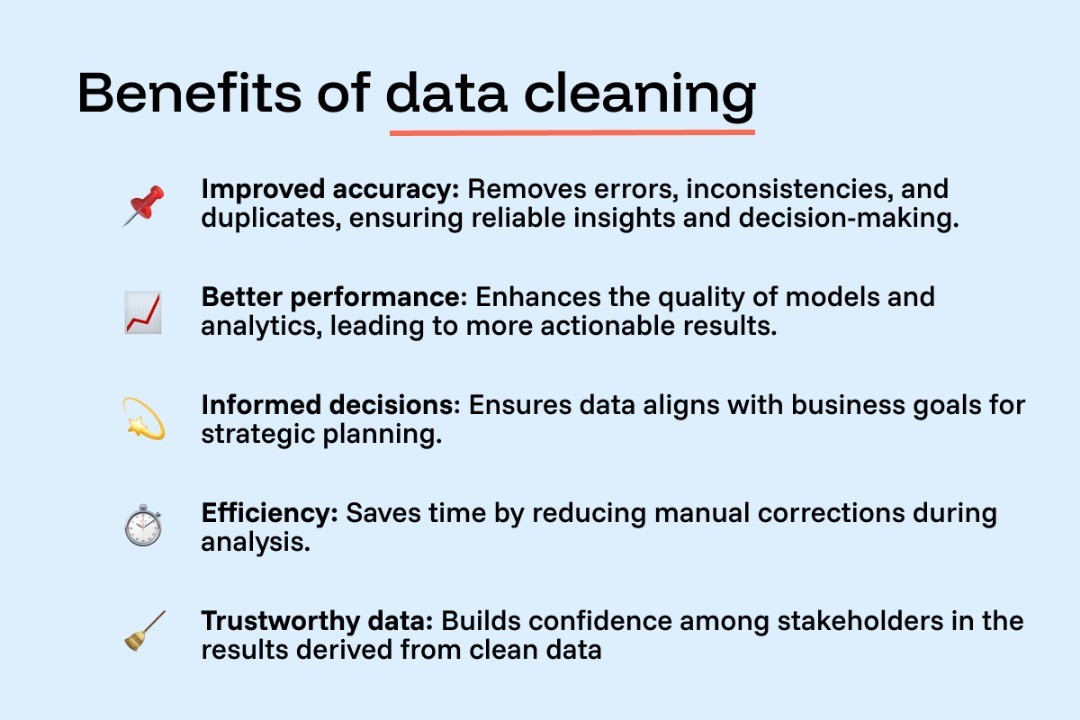
![Profile picture of Benedict Elorm Kofi Acquah]() Very important for data integrity
Very important for data integrity-
![Profile picture of Noah Akakpo]() I`m motivated to do more of such
I`m motivated to do more of such-
![Profile picture of Noah Akakpo]() My pleasure
My pleasure
-
-
![Profile picture of Amankwah Yeboah Bright]() Insightful
Insightful -
![Profile picture of Edwin Owusu Gyasi]() Yes Data Cleaning is very important in the data analysis process
Yes Data Cleaning is very important in the data analysis process-
![Profile picture of Noah Akakpo]() I`m motivated to do more of such
I`m motivated to do more of such
-
-
![Profile picture of Prince Agyare]() Very helpful,good to know
Very helpful,good to know-
![Profile picture of Noah Akakpo]() Let`s expect much of these key insights
Let`s expect much of these key insights
-
-
-
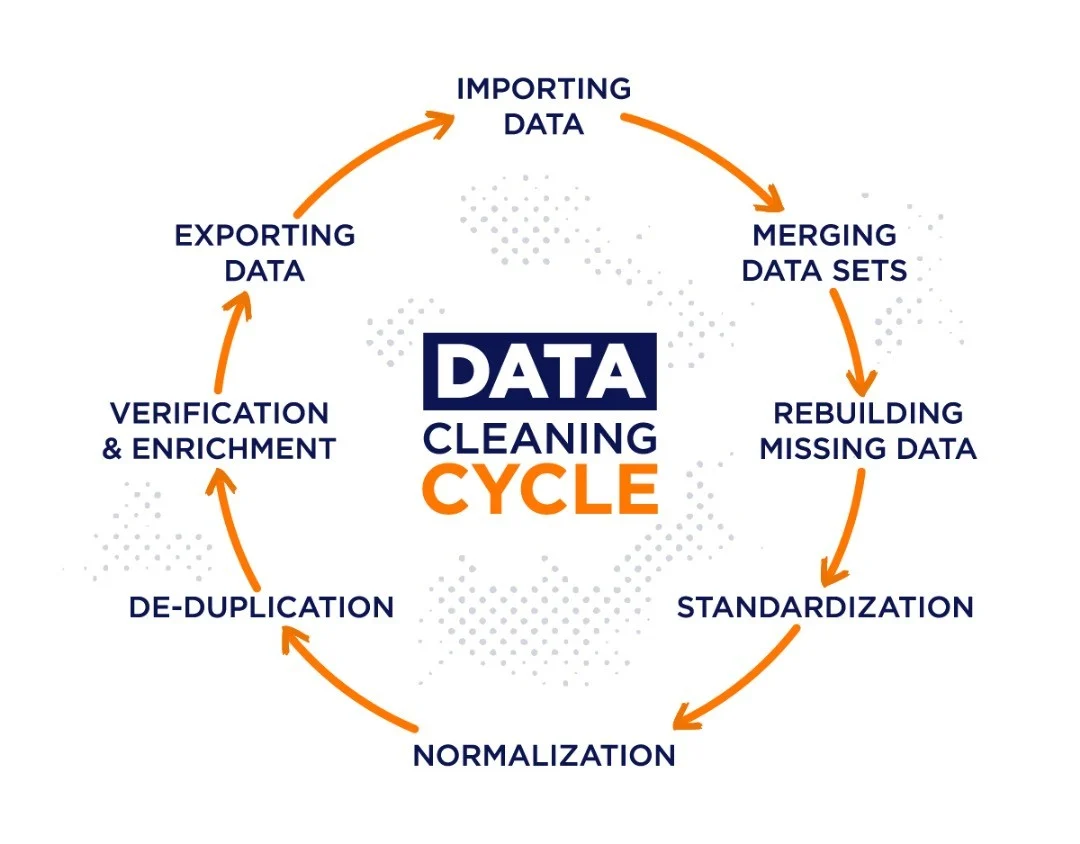
This diagram illustrates the Data Cleaning Cycle, a systematic process that begins with importing data and progresses through merging datasets, rebuilding missing data, standardization, normalization, de-duplication, and verification and enrichment before exporting the cleaned data. The cyclical nature emphasizes that data cleaning is an iterative…Read More
![]() 8 Comments
8 Comments-
![Profile picture of Benedict Elorm Kofi Acquah]() Very insightful
Very insightful-
![Profile picture of Noah Akakpo]() My pleasure
My pleasure -
![Profile picture of Noah Akakpo]() My pleasure
My pleasure
-
-
![Profile picture of Amankwah Yeboah Bright]() Thanks for sharing
Thanks for sharing -
![Profile picture of Edwin Owusu Gyasi]() Thanks you for sharing
Thanks you for sharing-
![Profile picture of Noah Akakpo]() I`m motivated to do more of such
I`m motivated to do more of such
-
-
![Profile picture of Prince Agyare]() 📌
📌-
![Profile picture of Noah Akakpo]() Thank you too
Thank you too
-
-
-
-
![Profile picture of Benedict Elorm Kofi Acquah]() Thank you for sharing
Thank you for sharing-
![Profile picture of Noah Akakpo]() Let`s expect much of these key insights
Let`s expect much of these key insights -
![Profile picture of Noah Akakpo]() My pleasure
My pleasure
-
-
![Profile picture of Amankwah Yeboah Bright]() Thanks for the share
Thanks for the share -
![Profile picture of Edwin Owusu Gyasi]() Great!
Great!-
![Profile picture of Noah Akakpo]() Let`s expect much of these key insights
Let`s expect much of these key insights
-
-
-
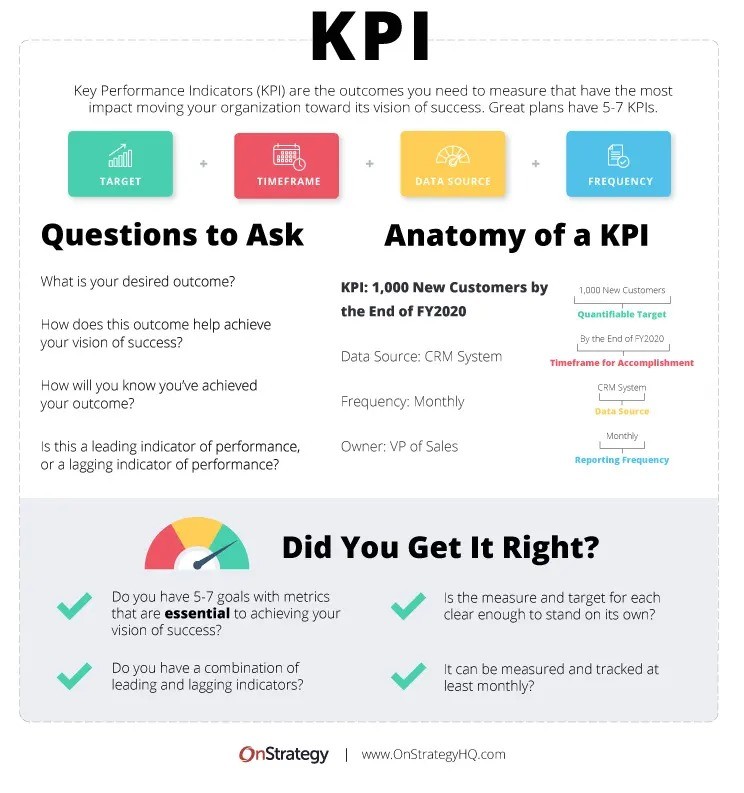
This infographic explains Key Performance Indicators (KPIs) as measurable outcomes that help organizations track progress toward their vision of success, with four essential components: target, timeframe, data source, and frequency. It provides a practical framework for developing effective KPIs by asking key questions about desired outcomes and…Read More
![]() 6 Comments
6 Comments-
![Profile picture of Benedict Elorm Kofi Acquah]() Thank you boss
Thank you boss-
![Profile picture of Benedict Elorm Kofi Acquah]() Very concise
Very concise-
![Profile picture of Noah Akakpo]() Let`s expect much of these key insights
Let`s expect much of these key insights
-
-
![Profile picture of Noah Akakpo]() My pleasure
My pleasure -
![Profile picture of Noah Akakpo]() My pleasure
My pleasure
-
-
![Profile picture of Amankwah Yeboah Bright]() Thanks for sharing
Thanks for sharing
-
-
-
![Profile picture of Benedict Elorm Kofi Acquah]() Thank you for sharing
Thank you for sharing-
![Profile picture of Noah Akakpo]() My pleasure
My pleasure -
![Profile picture of Noah Akakpo]() My pleasure
My pleasure
-
-
![Profile picture of Amankwah Yeboah Bright]() Thanks
Thanks -
![Profile picture of Edwin Owusu Gyasi]() Thanks !
Thanks !-
![Profile picture of Noah Akakpo]() My pleasure
My pleasure
-
-
![Profile picture of Prince Agyare]() Appreciated
Appreciated-
![Profile picture of Noah Akakpo]() My pleasure
My pleasure
-
-
-
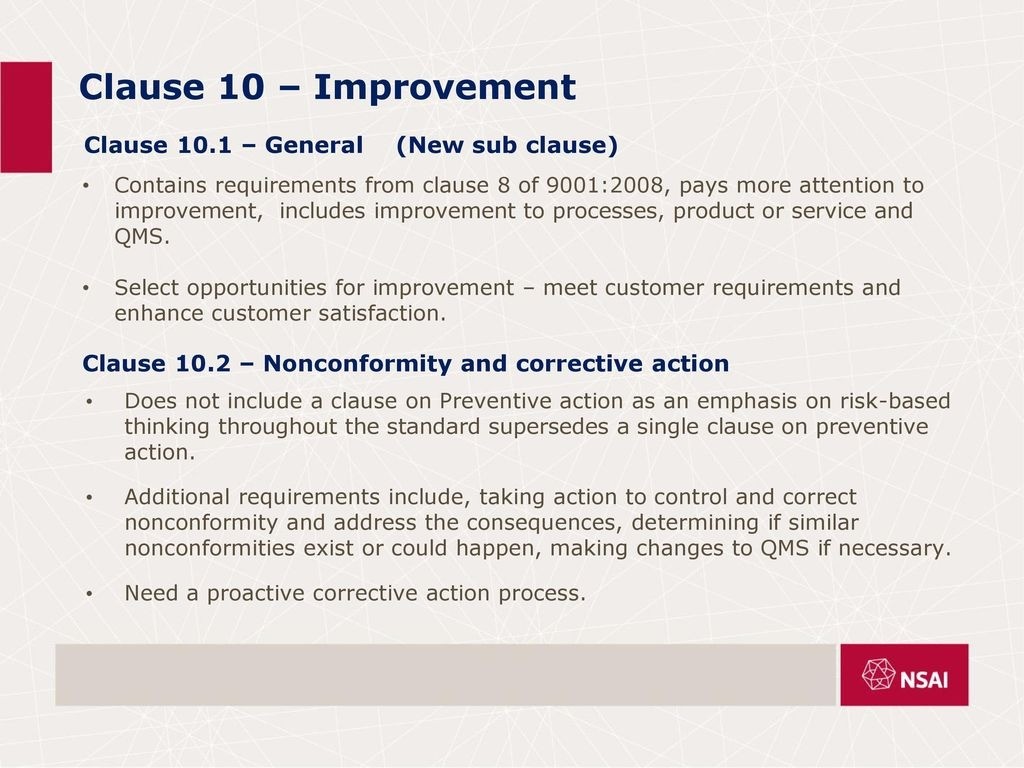
Clause 10 of ISO 9001 focuses on Improvement and requires organizations to select opportunities for improvement to meet customer requirements and enhance satisfaction. It also mandates that organizations take corrective action when nonconformities occur and implement proactive processes to prevent similar issues from happening again.
![]() 5 Comments
5 Comments-
![Profile picture of Benedict Elorm Kofi Acquah]() Thank you for sharing
Thank you for sharing-
![Profile picture of Noah Akakpo]() My pleasure
My pleasure -
![Profile picture of Noah Akakpo]() My pleasure
My pleasure-
![Profile picture of Noah Akakpo]() Let`s expect more of such
Let`s expect more of such
-
-
-
![Profile picture of Amankwah Yeboah Bright]() Thanks
Thanks
-
-
-
![Profile picture of Amankwah Yeboah Bright]() Thanks for sharing Brother
Thanks for sharing Brother -
![Profile picture of Andy Essel]() Safety always
Safety always-
![Profile picture of Noah Akakpo]() Yes please
Yes please-
![Profile picture of Noah Akakpo]() Glad it helped
Glad it helped
-
-
-
![Profile picture of Edwin Owusu Gyasi]() Thanks bro
Thanks bro-
![Profile picture of Noah Akakpo]() My pleasure
My pleasure
-
-
![Profile picture of Caleb Kofi Whyte]() Safety first
Safety first -
![Profile picture of Benedict Elorm Kofi Acquah]() Safety is very important
Safety is very important-
![Profile picture of Benedict Elorm Kofi Acquah]() Thank you for sharing
Thank you for sharing-
![Profile picture of Noah Akakpo]() My pleasure
My pleasure -
![Profile picture of Noah Akakpo]() My pleasure
My pleasure
-
-
![Profile picture of Noah Akakpo]() My pleasure
My pleasure -
![Profile picture of Noah Akakpo]() My pleasure
My pleasure
-
-
![Profile picture of Prince Agyare]() Sure thing
Sure thing
-
-
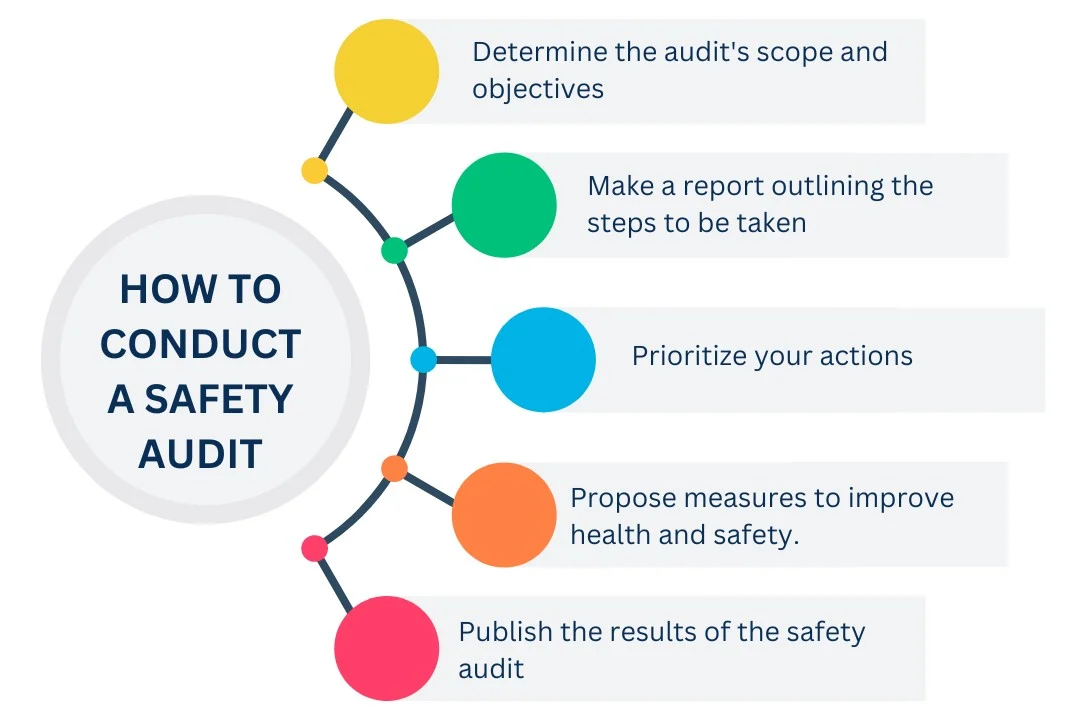
This diagram illustrates the five key steps for conducting a safety audit, starting with determining the audit’s scope and objectives and ending with publishing the results. The process flows systematically through planning, reporting, prioritizing actions, proposing improvements, and finally communicating findings to ensure comprehensive…Read More
![]() 13 Comments
13 Comments-
![Profile picture of Amankwah Yeboah Bright]() thanks for enlightening us
thanks for enlightening us -
![Profile picture of Andy Essel]() Thanks for sharing
Thanks for sharing-
![Profile picture of Noah Akakpo]() My pleasure
My pleasure -
![Profile picture of Noah Akakpo]() My pleasure
My pleasure
-
-
![Profile picture of Caleb Kofi Whyte]() Thanks for the Insight
Thanks for the Insight -
![Profile picture of Benedict Elorm Kofi Acquah]() Thank you for the insight
Thank you for the insight-
![Profile picture of Noah Akakpo]() My pleasure
My pleasure -
![Profile picture of Noah Akakpo]() My pleasure
My pleasure-
![Profile picture of Noah Akakpo]() My pleasure
My pleasure
-
-
-
![Profile picture of Dan Yeboah]() Thank you
Thank you-
![Profile picture of Noah Akakpo]() My pleasure
My pleasure -
![Profile picture of Noah Akakpo]() My pleasure
My pleasure
-
-
![Profile picture of Prince Agyare]() Thanks for letting us know
Thanks for letting us know
-
- Load More Posts










 Study exposes the secret pattern of successful people